Choosing the right High Collar Jacket involves more than matching its color with your wardrobe. It requires attention to warmth, movement, fabric performance, and daily comfort. A raised collar may protect your neck during cold commutes, but it can also feel restrictive when the cut is too narrow. I learned this after wearing a stylish jacket on a windy train platform. The collar blocked the wind well, yet irritated my chin within minutes.
A reliable choice begins with the intended use. For urban commuting, look for a breathable outer fabric, smooth zippers, and enough room for a thin sweater. For hiking or outdoor work, consider water resistance, adjustable cuffs, secure pockets, and insulation suited to local temperatures. Product labels should provide clear fiber content and care instructions. Independent textile testing can also support claims about waterproofing, breathability, or thermal performance, though no feature works perfectly in every condition.
Fit deserves careful attention. Zip the jacket fully, then turn your head and raise both arms. The collar should cover your neck without pressing against your jaw. Sleeves should reach the wrist, even when you move. Small details matter.
Do not trust appearance alone.
A heavier jacket is not always warmer. A water-resistant shell is not necessarily waterproof. Personal comfort remains subjective, and my preferred fit may not suit you. Use this guide to compare materials, construction, climate needs, and real movement before making a practical decision.
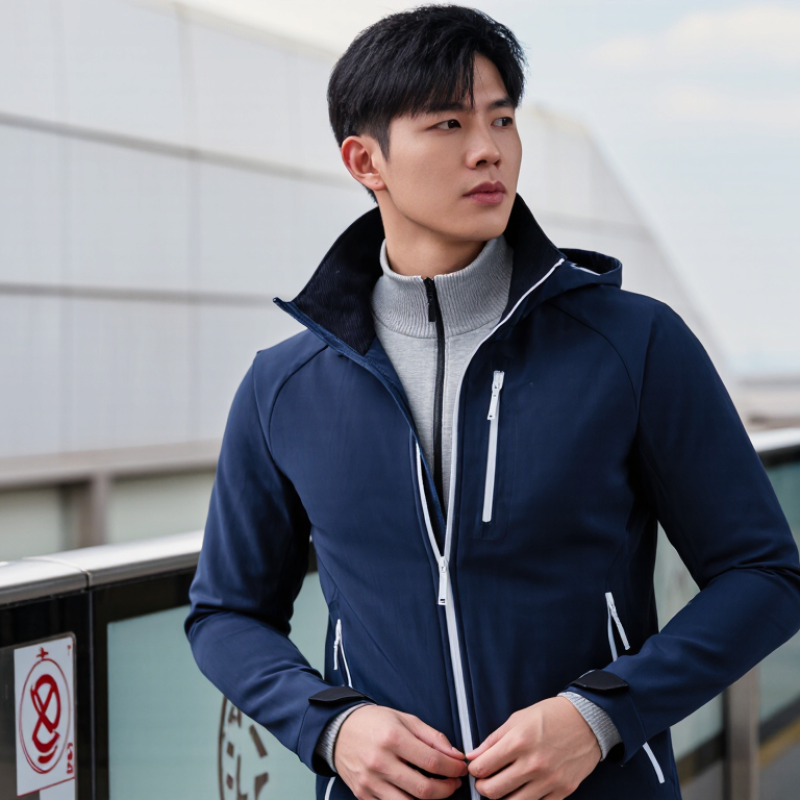
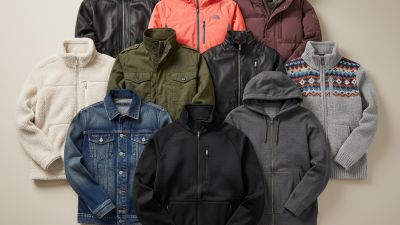
High collar jackets are not one simple design. Their collar height, structure, and insulation create different wearing experiences. A knitted turtleneck jacket gives a soft, close fit around the neck. It works well in dry, mild weather and under a tailored coat. A stand-collar insulated jacket offers more warmth. Its padded collar blocks cold air when zipped fully. Check whether the collar touches your chin comfortably.
A funnel-neck jacket has a wider, raised collar. It can fold naturally or stand upright, depending on the fabric. This style suits changing weather because it adds coverage without a separate scarf. A shell jacket with a high collar uses lightweight, water-resistant fabric. It is useful for commuting, hiking, and windy streets. However, a thin shell may feel cold without a warm middle layer. A leather or heavy cotton jacket often uses a structured collar. It gives a sharper appearance, but may feel stiff during movement.
Your choice should match the climate and your daily habits. Try the jacket with a sweater, not only a thin shirt. Raise your arms and turn your head. The collar should protect your neck without rubbing it. Check the zipper under your chin, too. A tight collar becomes annoying quickly. I once preferred a dramatic, tall collar, but it restricted my view while cycling. That mistake changed my fitting method. Comfort matters as much as appearance. Look for secure stitching, smooth lining, and even insulation. These details often reveal dependable construction better than a striking silhouette.
Compare the typical performance of common high-collar jacket types. Ratings use a 1–5 scale, where 5 indicates stronger performance. Actual results vary with fabric, insulation, construction, and weather conditions.
Quick guide: Choose a puffer for maximum warmth, a windbreaker for light protection and mobility, a fleece jacket for breathable everyday insulation, a softshell for balanced outdoor use, and a motorcycle jacket for wind resistance and structure.
A high collar jacket should match the places and conditions you actually face. A commuter needs wind resistance, easy movement, and pockets for daily essentials. A hiker may need lighter fabric, packability, and room for a base layer. For short city walks, heavy insulation can become uncomfortable quickly. Purpose matters more than appearance.
Study the weather before choosing the jacket’s construction. In cold, dry conditions, insulated filling helps retain body heat around the chest and neck. Wet weather demands a water-resistant outer layer and sealed or covered zippers. Strong wind makes a close-fitting collar valuable, especially near exposed roads or open hills. Check the hood, cuffs, and hem too. Small gaps can release warmth.
I once chose a thick jacket for mild winter travel and regretted it on crowded trains. It trapped heat and restricted my shoulders. That experience changed how I judge outerwear. Try the jacket with a sweater underneath. Raise your arms and turn your head. The collar should protect your neck without rubbing your chin. Consider breathability as well. A jacket that feels warm outdoors may feel damp indoors. Weather forecasts are useful, but local conditions can still surprise you.
How to Choose the Right High Collar Jacket?
A high collar jacket should match your climate, activity, and tolerance for bulk. I test jackets by moving my neck, raising my arms, and checking airflow near the collar. A tightly woven nylon or polyester shell resists wind and light rain. Wool feels warmer against the skin, but it absorbs moisture and dries slowly. Fleece breathes well and suits active walking, though it offers limited wind protection. Down provides excellent warmth for its weight, but damp conditions can reduce its loft. Synthetic insulation performs more consistently in wet weather, although it may feel heavier. Check the fill distribution carefully. Cold spots often appear near seams and under the arms.
Tips: Choose insulation by activity, not temperature alone. Look for a soft chin guard, smooth zipper, and adjustable collar opening. A funnel collar blocks drafts better than a loose stand collar. However, an oversized collar can rub your jaw and trap too much heat. Try it with the base layers you actually wear. I once chose a very warm jacket that looked impressive, but the stiff collar restricted my head movement. That mistake changed my fitting process.
For commuting, moderate insulation and a breathable shell usually work well. For windy outdoor use, prioritize a firm collar, sealed seams, and a drawcord. For mild weather, a lighter jacket with a fleece lining may be enough. Materials are only part of comfort. Stitching, lining texture, cuff design, and zipper placement also matter. My preference is not universal. A practical choice leaves room for movement without creating empty, cold space around the neck.
| Jacket Type | Outer Material | Typical Insulation | Warmth Level | Weather Resistance | High Collar Design | Key Advantages | Best Use | Important Considerations |
|---|---|---|---|---|---|---|---|---|
| Lightweight Fleece Jacket | Polyester fleece, commonly 100–300 g/m² | Fleece itself provides warmth; usually no separate fill | ★★☆☆☆ | Dries quickly and resists light wind; not waterproof | Soft stand collar, often with a chin guard and full-length zipper | Lightweight, breathable, quick-drying, and easy to layer | Mild weatherLayeringDaily wear | Can allow wind through; fleece may retain odors and develop surface pilling over time |
| Synthetic Insulated Jacket | Woven polyester or nylon shell with a durable water-repellent finish | Polyester fibers, commonly 60–120 g/m² | ★★★☆☆ | Good resistance to light rain and wind; performance varies by shell construction | Padded collar with soft lining for added neck insulation | Maintains warmth when slightly damp, dries faster than down, and is easy to maintain | Variable weatherTravelOutdoor activity | Usually heavier and less compressible than down at a similar warmth level |
| Down-Insulated Jacket | Tightly woven nylon or polyester shell, sometimes with a water-resistant treatment | Natural down, often specified by fill power; higher fill power generally improves loft and warmth-to-weight ratio | ★★★★★ | Excellent wind resistance when tightly woven; moisture can reduce loft | High padded collar with elastic edging or drawcord adjustment | Very warm for its weight and highly compressible | Cold dry weatherWinter travelLow-bulk layering | Requires careful moisture management; drying can take longer if the fill becomes wet |
| Softshell Jacket | Stretch-woven polyester or nylon, often bonded to a brushed inner layer | Usually uninsulated or lightly fleece-backed | ★★★☆☆ | Good wind resistance and moderate water resistance; not a substitute for a waterproof shell | Structured stand collar with a close-fitting shape and adjustable hem | Flexible, breathable, abrasion-resistant, and suitable for active movement | HikingCyclingActive use | Water resistance can decline with wear; less protective in prolonged heavy rain |
| Waterproof Shell Jacket | Coated or membrane-backed nylon or polyester with taped or sealed seams | Normally none; designed to fit over an insulating layer | ★☆☆☆☆ | Highest protection against rain and wind when seams and closures are properly sealed | High storm collar, often with a hood-compatible opening and chin protection | Strong weather protection, packability, and versatile layering potential | Heavy rainWet climatesLayering system | Can feel clammy during intense activity; warmth depends on the layer worn underneath |
| Wool-Blend Coat Jacket | Wool blended with polyester, nylon, or other fibers | Material thickness provides insulation; generally no synthetic fill | ★★★★☆ | Naturally resistant to light moisture and odor; not fully waterproof | Wide stand collar, funnel collar, or convertible collar with a structured shape | Good warmth, natural temperature regulation, and a polished appearance | Urban winterBusiness casualDry conditions | Heavier than technical insulation and may require professional or careful cleaning |
| Quilted Hybrid Jacket | Combination of smooth woven panels and stretch or fleece sections | Moderate synthetic insulation in the torso; lighter or no insulation in sleeves | ★★★☆☆ | Moderate wind and light-rain resistance, depending on the outer fabric | Insulated collar with elastic binding or a concealed hood-compatible design | Balances warmth, mobility, breathability, and a streamlined fit | CommutingActive lifestyleCool weather | Uneven insulation means it may be less suitable for prolonged exposure to severe cold |
| Leather or Faux-Leather Jacket | Leather or polyurethane-based faux leather | Usually uninsulated or lined with polyester, fleece, or quilted material | ★★★☆☆ | Blocks wind well; water resistance depends on treatment and construction | Firm stand collar, snap collar, or band collar for a close neck seal | Durable appearance, strong wind blocking, and distinctive structure | Urban wearDry cool weatherStyle-focused use | Can be heavy, less breathable, and sensitive to prolonged moisture or improper storage |
Selection tip: Choose the insulation first according to temperature, then match the outer material to expected weather. For frequent movement, prioritize breathability and collar flexibility; for cold wind, look for a collar that closes securely without restricting head movement.
How to Choose the Right High Collar Jacket?
A high collar jacket should protect your neck without pressing against it. Try it with the shirt or sweater you normally wear. Zip the collar fully, then turn your head slowly. If the fabric scratches or blocks movement, the fit is wrong. Leave enough room for two fingers. This simple check is useful, but it is not perfect for every neck shape.
Raise both arms, reach forward, and bend your elbows. The shoulders should move freely without pulling across your back. I also recommend sitting down while wearing the jacket. A tight waist can feel acceptable while standing, then become uncomfortable in a car or at a desk. Check sleeve length carefully. Your wrists should remain covered when you extend your arms.
Practical details matter during daily use. Look for smooth zippers, secure pockets, adjustable cuffs, and fabric that resists light wind. Test each pocket with your phone, keys, or gloves. Bulky contents can change the jacket’s balance. A removable hood may improve flexibility, while a stiff collar can offer stronger coverage. Read the care label before buying. Some technical fabrics lose shape after poor washing. That detail is easy to ignore. I have done it myself.
A high collar jacket earns its value through long service, not appearance alone. In practical wear testing, inspect shoulder seams, cuff recovery, zipper movement, and fabric abrasion. These areas usually fail before the body fabric. A dense weave can resist snagging, but it may feel stiff during daily use. That trade-off matters. I would not assume a heavier jacket is automatically stronger.
Care instructions deserve equal attention. Check whether the jacket needs gentle washing, low heat, or professional cleaning. Removable liners and washable insulation can reduce maintenance costs. The WRAP Valuing Our Clothes report found that extending a garment’s active life by nine months can reduce its carbon, water, and waste footprints by around 20–30%. That makes repairable construction financially meaningful, not merely environmentally appealing. Still, care labels can be vague, and real household washing is rarely perfect.
Tips: Test the collar with a scarf underneath. It should close without pressing your throat. Rub the sleeve against a rough surface and inspect loose fibers. Choose replaceable pulls, reinforced pocket corners, and spare buttons. The U.S. Environmental Protection Agency reported that Americans generated about 17 million tons of textile waste in 2018, with only 14.7% recycled. A jacket that tolerates repeated washing and small repairs may offer better overall value. Keep your expectations realistic. Even excellent fabric can fail at a weak seam.