How to Choose the Best Embroidery Jacket for Your Style?
Choosing the right Embroidery Jacket can elevate your style significantly. With so many options available, it can feel overwhelming. Each jacket tells a unique story through its design and craftsmanship.
Consider the fabric and embroidery technique. These factors impact durability and appearance. A high-quality jacket should not just be stylish but also functional. It’s essential to think about how it fits into your wardrobe. Does it complement your favorite outfits?
Reflecting on personal style is vital. Some may prefer bold designs, while others gravitate toward subtle elegance. Try exploring local boutiques and online shops. Each choice you make is a step toward expressing your individuality. Remember, your Embroidery Jacket should resonate with who you are, making you feel confident and authentic.
Understanding Different Styles of Embroidery Jackets
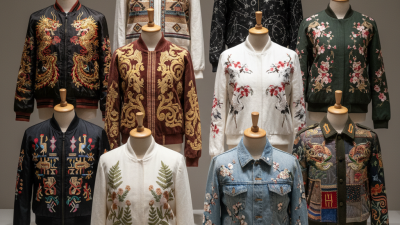
Embroidery jackets come in a variety of styles, each with its own flair. From classic designs to modern interpretations, finding the right one can be challenging. Let's explore some popular styles to help you make an informed choice.
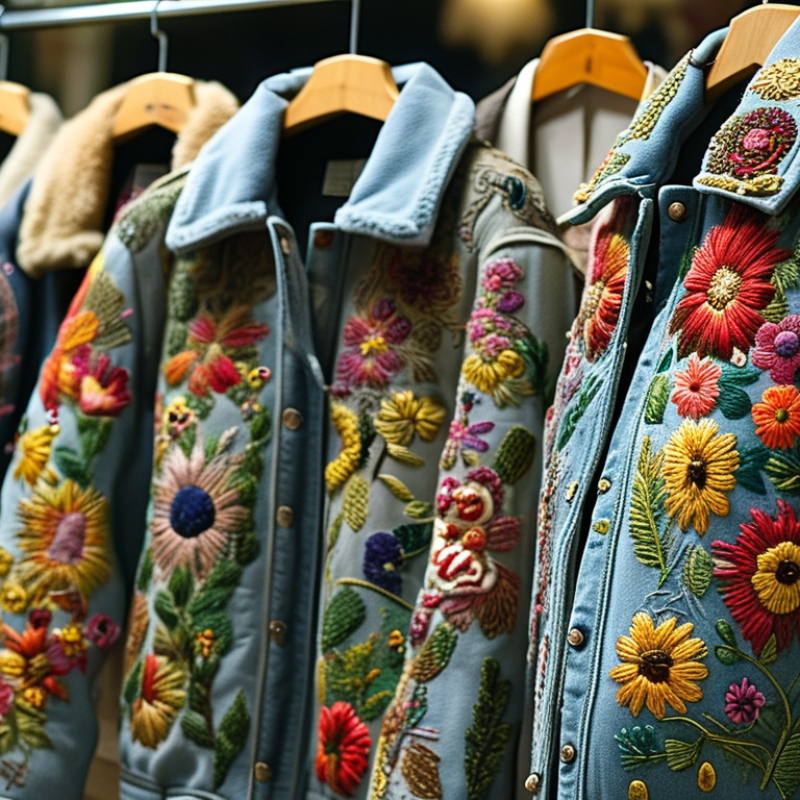
Bomber jackets are trendy and versatile. They often feature intricate embroidery, which adds personality to your outfit. Consider a bomber with floral motifs for a fresh, youthful look. On the other hand, a denim jacket with embroidered patches gives off a relaxed vibe. This style is perfect for casual outings or weekend adventures.
Another option is the kimono jacket, which usually boasts detailed embroidery along the sleeves or hem. This style offers a unique silhouette and adds elegance to any ensemble. If you prefer something bold, opt for a varsity jacket that merges sporty and chic. The large embroidered graphics on these jackets can make a statement. Each style brings a distinct aesthetic, reflecting different aspects of your personality. Remember to consider the fit and fabrics. Sometimes a jacket may look great on the hanger but not on you. Overall, choosing an embroidery jacket should align with your sense of style and comfort.
Identifying the Right Fabric for Your Embroidery Jacket
When selecting the best fabric for your embroidery jacket, it’s crucial to consider both comfort and durability. Natural fibers like cotton or linen tend to be soft against the skin. They allow for breathability, making them ideal for everyday wear. However, they may not always hold intricate designs well. Synthetic options like polyester can retain detailed embroidery better, offering a crisp finish. Yet, they can feel less breathable, especially in warmer climates.
Another factor to think about is the weight of the fabric. Lightweight fabrics are breathable but might not provide warmth. Heavier materials, like denim or canvas, offer more structure and warmth. They can also better support larger or more complex embroidery designs. However, they may lack that soft touch that some people prefer. Reflecting on your personal style and how the fabric feels against your skin is important. Consider how much you’ll wear the jacket and under what conditions. Testing fabrics in-store can provide valuable insight into texture and flexibility.
Embroidery Jacket Fabric Preferences
Choosing the Perfect Fit: Tailoring and Sizing Tips
Finding the right fit for an embroidery jacket is essential for enhancing your style. A well-tailored jacket can elevate your overall look. Pay attention to how the jacket fits across your shoulders and chest. You want a snug fit that allows for movement. Too tight can be restrictive, and too loose may look sloppy.
Consider the length of the jacket. It should ideally hit just below your hips for balance. If you're taller or shorter than average, this may require custom adjustments. Don’t hesitate to seek a professional tailor who can make these changes. Sometimes, minor alterations can make a significant difference in how you feel and look.
When trying on jackets, move around. Raise your arms and twist your body. This will help you assess comfort. Check the sleeve length too; they should reach your wrist without being overly long. Pay attention to the fabric, as well. Stiffer materials might not drape well on every body type. Remember to reflect on your personal style as you choose. The goal is to feel confident and comfortable in your jacket.
Exploring Color and Pattern Options for Personal Expression
Choosing the right color and pattern for an embroidery jacket can express your individuality. Current fashion trends show that unique jackets serve as a canvas for personal stories. According to a 2022 report from the Global Fashion Academy, 72% of consumers want clothing that reflects their personality. This emphasizes the growing need for individuality in style choices.
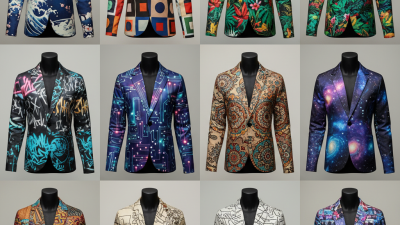
Color is a critical aspect. Warm tones like red and orange evoke energy, while cool tones such as blue convey calm. A study by the Color Marketing Group highlighted that 40% of consumers associate specific colors with emotional responses. Therefore, selecting colors that resonate with your mood is essential. Patterns present another layer of personalization. Floral motifs may signify femininity, while geometric shapes often represent modernity. Experimenting with different patterns allows for an exploration of one’s identity.
Yet, it's crucial to balance bold choices with wearability. Some patterns can feel overwhelming when paired with certain outfits. Not every color combination will work well in practice. The right jacket should reflect your personality, but also work seamlessly with your existing wardrobe. Reflecting on your choices will lead to better style decisions.
Maintenance and Care for Long-lasting Embroidery Jackets
When it comes to maintaining your embroidery jacket, proper care is essential for longevity. These jackets often feature intricate designs. Keeping these embellishments intact requires attention. Regularly check for loose threads and snags. A small action can prevent bigger damage.
Tips for care: Always wash your jacket in cold water. This helps to preserve the colors and fabric integrity. Hang dry rather than using a dryer. Direct heat can distort the embroidery. If you must iron, use a low setting and a cloth barrier. It's a good practice to iron the reverse side.
Remember that storage matters too. Avoid folding jackets; instead, hang them in a cool, dry place. If you notice any stains, treat them as soon as possible. Always test any stain remover on a hidden area first. This way, you can ensure it won't harm the fabric. Taking these steps will help maintain its beautiful appearance and functionality over time.