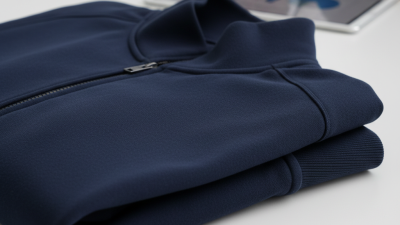
China Top Sustainable Jacket for Global Buyers in 2026?
As the demand for eco-friendly fashion grows, the focus on sustainable jackets intensifies. The global sustainable outerwear market is projected to reach $7 billion by 2026, reflecting significant consumer interest in environmentally responsible products. Recent surveys indicate that 70% of consumers value sustainability in their clothing choices.
Sustainable jackets represent a crucial category in this evolving market. Leading brands are innovating with materials like recycled polyester and organic cotton. However, challenges remain. Many manufacturers struggle with sourcing sustainable materials at scale. Moreover, not all garments labeled as "sustainable" meet rigorous eco-certifications. This uncertainty can lead to consumer skepticism.
As we approach 2026, it's vital for companies to balance environmental claims with transparency. Educating customers on the sustainable aspects of jackets will be essential for building trust. Addressing these concerns can lead to a more informed consumer base, driving the growth of truly sustainable jackets in the global fashion landscape.
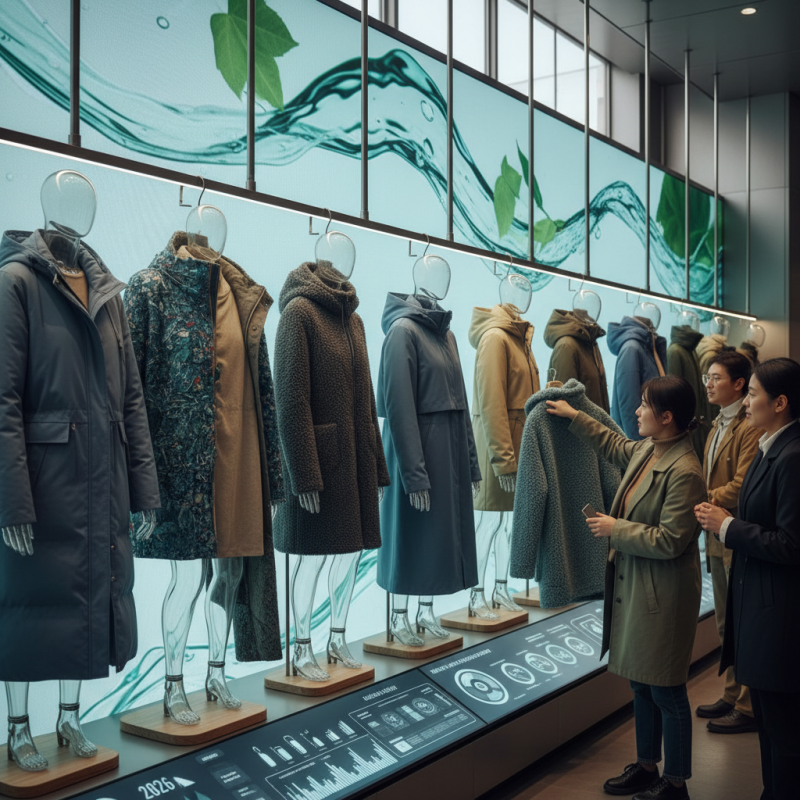
Overview of China's Sustainable Jacket Industry in 2026
The sustainable jacket market in China is rapidly evolving, with expected revenue reaching $12.4 billion by 2026. Key factors driving this growth include increased consumer awareness and a robust commitment to eco-friendly practices. The trend shows a shift towards recyclable materials and energy-efficient manufacturing processes. In 2025, 60% of apparel produced is projected to feature sustainable elements.
In 2026, the demand for sustainable jackets will intensify. Reports indicate that over 70% of marketplaces will prioritize sustainable products. The industry faces challenges, including the high cost of sustainable materials and the need for certifications. Companies are exploring innovative solutions to meet these demands. For instance, sourcing local organic materials can reduce carbon footprints.
Many consumers lack clear understanding of sustainability standards. This gap demands better educational campaigns in the industry. Trust in certifications remains critical for buyers. As Chinese manufacturers work towards transparency, consumer trust will become paramount. The future landscape is promising, but challenges remain. Building a solid foundation of knowledge is essential for all stakeholders.
Key Features of Top Sustainable Jackets in China
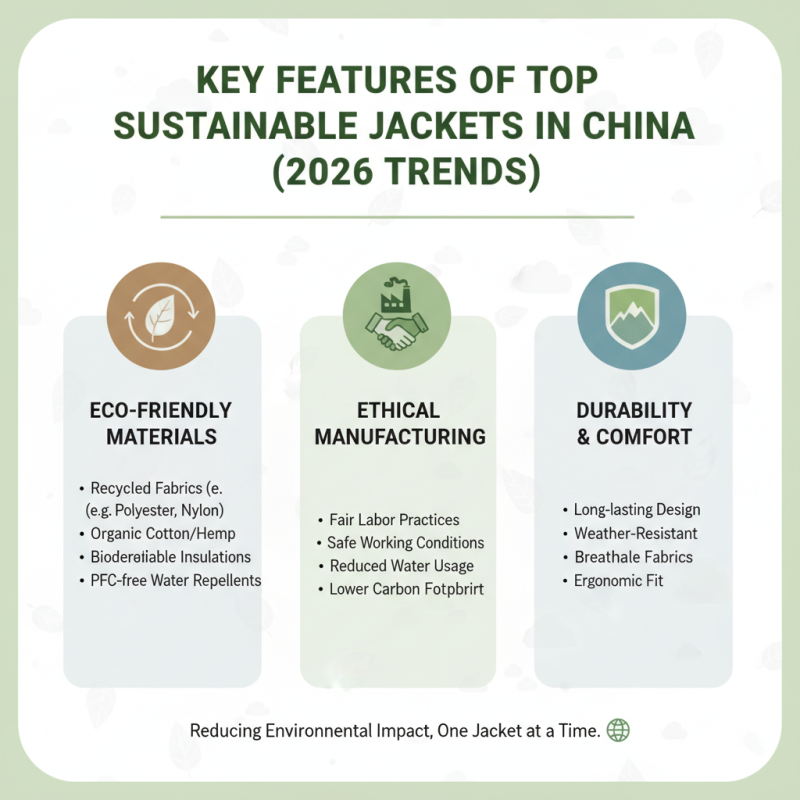
As we look towards 2026, sustainable jackets from China are gaining attention. These jackets prioritize eco-friendly materials and ethical manufacturing processes. They aim to reduce environmental impact while providing durability and comfort.
One standout feature is the use of recycled fabrics. Many jackets incorporate materials like recycled polyester and organic cotton. These ensure warmth without burdening the planet. Additionally, breathable, moisture-wicking technology enhances wearability, making them suitable for various climates.
Not all brands achieve perfect sustainability. Some may still rely on less eco-friendly practices despite their marketing. Transparency in sourcing is crucial. Consumers should seek jackets that clearly outline their production processes. Authentic eco-friendly products often come with certifications, ensuring reliability in claims.
Comparative Analysis of Global Sustainable Jacket Markets
As the global demand for sustainable jackets rises, various markets are experimenting with innovative materials and production methods. In reviewing market trends from Europe, North America, and Asia, a distinct preference for eco-friendly practices emerges. This movement stems from increasing consumer awareness about sustainability. Manufacturers are focusing on organic and recycled materials, which significantly reduces environmental impact.
Consider the importance of transparency in supply chains. Buyers now prioritize brands that disclose their sourcing methods and production processes. This reflects a shift towards ethical consumerism, where informed decisions drive market dynamics. High-quality sustainability metrics can attract discerning buyers.
Tips for global buyers include looking for certifications that guarantee sustainable practices. Certifications validate a company's commitment. Also, be cautious of greenwashing—companies may exaggerate their environmental efforts. Understanding the authenticity of a brand's claims is vital. Emphasis should be placed on the longevity and durability of jackets, making conservation a priority. Real sustainability is achieved not only through responsible production but also through promoting lasting garments.
Consumer Trends and Preferences for Sustainable Jackets
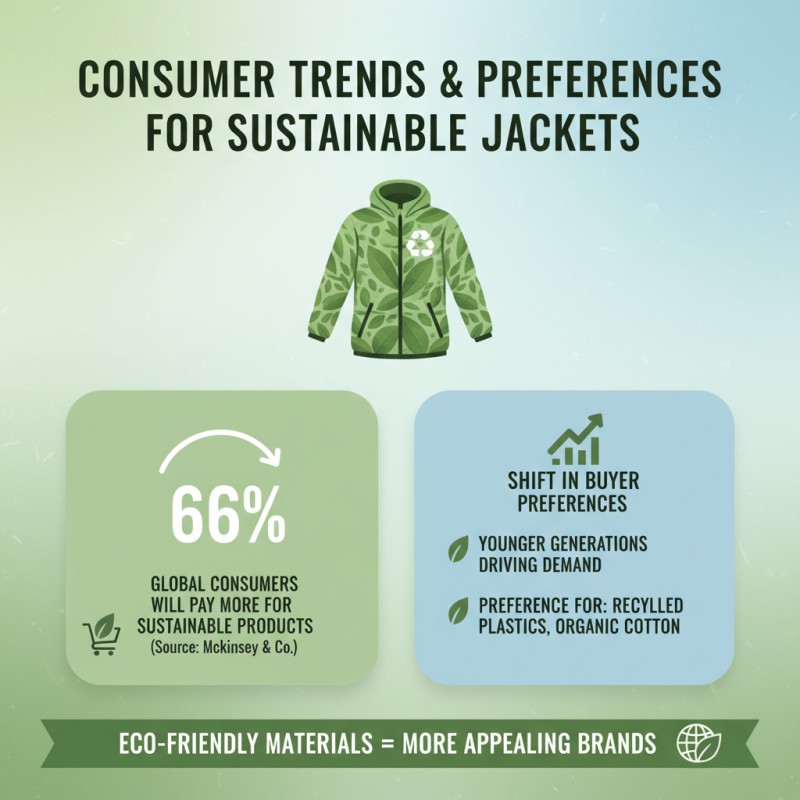
In recent years, the demand for sustainable jackets has surged, driven by increased consumer awareness. According to a report by McKinsey & Company, nearly 66% of global consumers are willing to pay more for sustainable products. This trend indicates a significant shift in buyer preferences, especially among younger generations. Brands focusing on eco-friendly materials like recycled plastics and organic cotton are more appealing to this demographic.
Moreover, a study from Nielsen reveals that 73% of millennials are willing to adjust their shopping habits to reduce environmental impact. These consumers desire transparency regarding production processes and materials used. However, many brands still struggle to communicate these factors effectively. The need for reliable certifications and eco-labels remains critical. While some companies have made strides, inconsistencies in claims can lead to skepticism.
As the sustainability movement grows, challenges persist within the industry. Many manufacturers face pressure to balance cost and eco-friendliness, which can compromise product quality. Businesses must reflect on their practices to align with evolving consumer expectations. Significant investment in research and development is required to truly meet the demands for sustainable jackets without sacrificing performance. This complex landscape presents opportunities for innovation and collaboration across the sector.
Future Innovations in Sustainable Jacket Manufacturing in China
As the demand for sustainable apparel grows, China is set to become a leader in eco-friendly jacket manufacturing by 2026. Innovative practices are emerging, focusing on recyclable materials and energy-efficient production processes. Factories are increasingly adopting renewable energy sources, reducing their carbon footprints significantly. This shift reflects a commitment to environmental responsibility.
New technologies are revolutionizing how jackets are made. For instance, biopolymers derived from plants are being used as alternatives to traditional synthetic fabrics. These materials are not only biodegradable but also offer durability. However, the scalability of these innovations poses a challenge. Producers must balance quality with affordability.
Collaboration among manufacturers, designers, and environmental experts is vital. Creating a circular economy requires a shared vision. Despite these advancements, concerns remain about the true environmental impact of production. Transparency in sourcing and manufacturing will be essential for trust. The journey to sustainable jacket production involves continuous reflection and improvement.