2026 Top Sustainable Jacket Trends for Eco-Friendly Fashion Choices?
As we navigate through the era of fast fashion, the call for eco-friendly choices grows louder. The trend of Sustainable Jackets is rising, reflecting a shift towards conscious consumption. In 2026, this movement takes center stage.
Eco-conscious consumers seek jackets that not only look good but also carry a purpose. Sustainable Jackets are designed using recycled materials. They offer innovative solutions while minimizing environmental impact. However, not every brand meets the criteria of sustainability. It’s essential to discern genuine practices from mere marketing strategies.
The journey towards sustainable fashion is filled with both achievements and challenges. While some brands lead the way, many still have room for improvement. Awareness and education are key. By making informed choices, we can embrace Sustainable Jackets that align with our values and foster a more sustainable future.
Emerging Materials for Eco-Friendly Jackets in 2026
In 2026, eco-friendly fashion is set for a significant transformation. The use of innovative materials will redefine sustainable jackets. Reports indicate that the global sustainable fashion market is expected to reach $8.25 billion by 2026. This growth underscores the demand for eco-conscious choices among consumers.
Emerging materials will play a pivotal role in this evolution. Recycled polyester and organic cotton continue to gain traction. Interestingly, hemp fiber is making a comeback, with its low environmental impact and durability. Market data suggest a 20% increase in hemp fabric usage in conscious apparel.
However, challenges remain. Many sustainably sourced materials often struggle with higher production costs. This can make eco-friendly jackets unaffordable for some consumers. Additionally, durability and comfort issues sometimes arise with new materials, impacting user experience. As the industry moves forward, these hurdles require ongoing attention and innovative solutions.
2026 Top Sustainable Jacket Trends for Eco-Friendly Fashion Choices
Innovative Production Techniques for Sustainable Outerwear
The push for eco-friendly fashion has led to innovative production techniques in sustainable outerwear. Recent industry reports reveal that over 75% of consumers prioritize sustainability in their purchasing decisions. This demand is driving brands to embrace new materials and methods that are kinder to our planet.
One significant trend is the use of recycled materials. For instance, jackets made from recycled PET bottles save approximately 1.5 liters of water for each garment produced. However, the quality of these materials can vary significantly, presenting a challenge. The production process must ensure durability while minimizing environmental impact, a balance that is not always achieved.
Biotechnology is also gaining traction. Some brands explore bio-based fabrics, which can be made from plant sources. While these materials show promise, scaling production without compromising ecological standards remains a hurdle. Progress in these fields suggests a future where stylish jackets are synonymous with sustainability, yet the journey is riddled with uncertainties that require continued innovation.
2026 Top Sustainable Jacket Trends for Eco-Friendly Fashion Choices
| Trend |
Material |
Production Technique |
Environmental Impact |
| Recycled Fabrics |
Recycled Polyester |
Closed-Loop Recycling |
Reduces waste and carbon footprint |
| Vegan Outerwear |
Cork, Tencel |
Eco-Friendly Sourcing |
Eliminates animal cruelty |
| Bio-Based Materials |
Plant-Based Polyesters |
Sustainable Agriculture |
Supports renewable resources |
| Durable Clothing |
Hemp blends |
Long-Lasting Construction |
Lowers need for replacements |
| Smart Jackets |
Smart Textiles |
Innovative Technology |
Energy efficiency tracking |
Key Features of Eco-Conscious Designs in Jacket Trends
As we look to 2026, sustainable jackets are becoming increasingly essential for eco-conscious consumers. These pieces emphasize practicality without sacrificing style. Made from organic or recycled materials, they reduce waste and lower carbon footprints. Many designs feature water-resistant finishes, using natural ingredients that ensure comfort and protection.
Another key aspect is versatility. Many jackets are designed to be worn in multiple settings, from hiking trails to urban environments. Removable liners and adjustable features enhance their practicality. However, some brands lack transparency in sourcing materials, leaving consumers questioning their impact. An eco-friendly jacket should not only look good but also tell a story of sustainability and ethical production.
Color choices are also shifting toward earth tones and non-toxic dyes. This approach helps reduce environmental harm during the manufacturing process. Yet, consumers should be aware of certifications that assure quality and sustainability. While sustainability is a priority, achieving perfect eco-friendliness remains a challenge. Balancing style with responsible choices requires thoughtful consideration and continuous improvement in the fashion industry.
Consumer Awareness and Preferences for Sustainable Fashion
Consumer awareness of sustainable fashion is growing. More individuals are seeking eco-friendly choices. This shift reflects a desire to reduce environmental impact. Sustainable jackets are becoming popular for their ability to combine style with responsibility.
Consumers now prioritize materials and sourcing. They often look for organic fabrics and recycled materials. The demand for transparency is rising. Shoppers want to know where their clothes come from. This interest leads some brands to provide detailed stories about their products. However, not all brands are transparent. Some may market themselves as sustainable without sufficient evidence.
Empowered consumers are often confused. They face many options and claims. Learning to distinguish between genuine sustainability and greenwashing is challenging. It requires ongoing education and critical thinking. Products need clear labeling to guide consumers. By promoting reliable information, the fashion industry can support informed choices. As awareness continues to grow, sustainable fashion can become the norm, not the exception.
Brand Initiatives and Collaborations Promoting Green Jackets
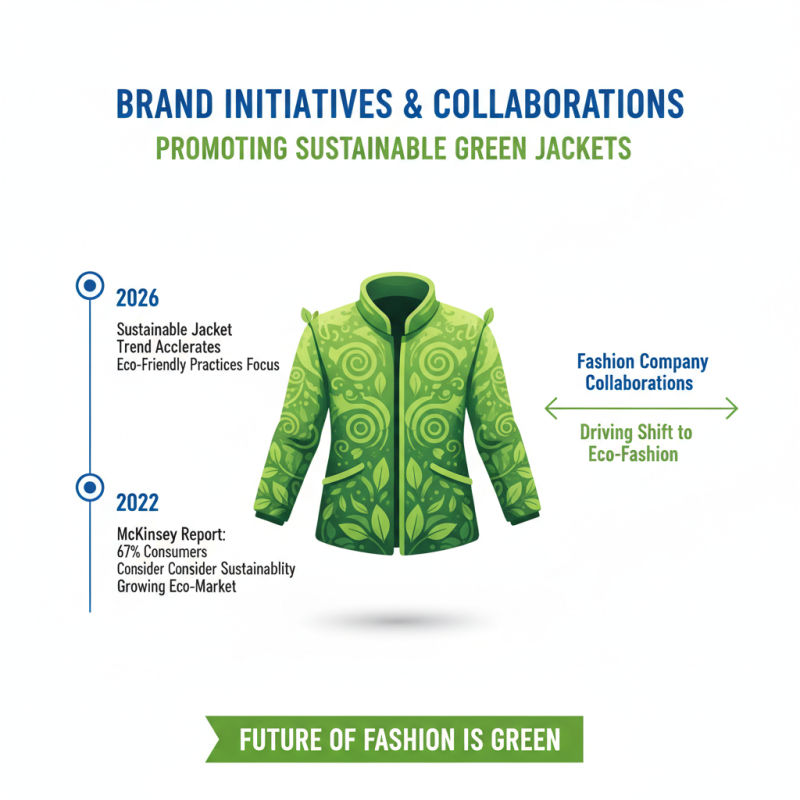
In 2026, the trend toward sustainable jackets gains momentum as brands focus on eco-friendly practices. Collaborations among fashion companies are driving this shift. According to a 2022 McKinsey report, 67% of consumers consider sustainability when making clothing purchases. This indicates a growing market for eco-conscious products.
Brands are now utilizing recycled materials in their jackets. Many are working with organizations to source sustainable fabrics. For instance, utilizing recycled polyester reduces landfill waste. A survey by Global Fashion Agenda reported that 60% of apparel brands plan to increase their use of sustainable materials by 2025. Yet, challenges remain. The high cost of sustainable sourcing can deter some companies.
Innovative partnerships are emerging to tackle these issues. Collaborations between fashion brands and environmental NGOs aim to raise awareness. Initiatives like educational campaigns help consumers make informed choices. However, many brands still lack transparency in their supply chains. Increasing scrutiny from consumers highlights the need for continuous improvement in this area. Building trust through authentic practices is key for future growth in the sustainable jacket market.