Why Choose Long Sleeve Jackets for Global Sourcing?
Why Choose Long Sleeve Jackets for Global Sourcing?
A Long Sleeve Jacket offers more than seasonal coverage. It gives buyers a practical product for changing climates, layered outfits, and outdoor work. In northern markets, insulated sleeves protect against cold wind. In warmer regions, lightweight nylon can block sun and sudden rain. The design serves several buyers at once.
“Good sourcing starts with performance, not appearance,” says Mark Liu, an independent outerwear sourcing consultant with more than fifteen years of factory experience. His view is simple. A jacket should survive real use before it wins a catalog page.
That means checking fabric weight, zipper strength, cuff recovery, and seam construction. A sample may look impressive under showroom lights. It may fail after repeated washing. This is where buyers need discipline. Request measurement charts, material certificates, test reports, and clear production timelines. Inspect the inside seams, too. Small details often reveal large problems.
Long sleeves can also support easier size planning. They create consistent coverage across men’s, women’s, and unisex collections. Buyers can compare cotton twill, recycled polyester, softshell, and waterproof laminates. Each choice affects cost, comfort, packing volume, and shipping efficiency.
No sourcing decision is perfect. That matters. A lower price may bring weaker buttons or inconsistent dye lots. A premium fabric may exceed the target market’s budget. Global sourcing works best when suppliers explain these trade-offs honestly. The strongest Long Sleeve Jacket program combines tested materials, reliable communication, and realistic expectations. Not just attractive samples.
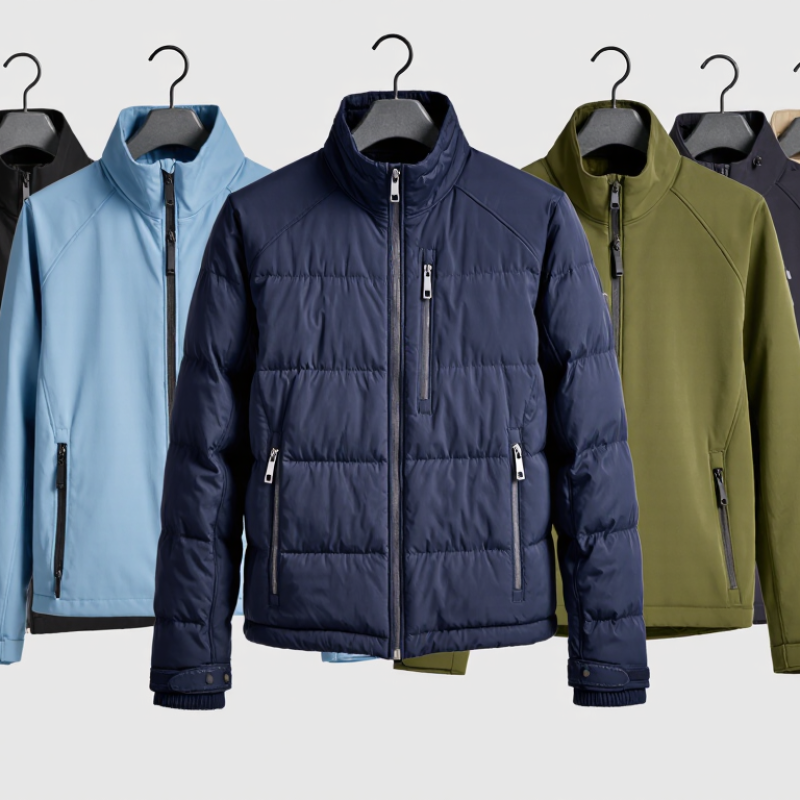
What Are Long Sleeve Jackets and Why Do They Matter in Global Sourcing?
Long sleeve jackets are outerwear pieces with sleeves extending to the wrists. They may include woven shells, knitted layers, insulation, water-resistant finishes, or removable hoods. Their structure protects the arms and torso from wind, rain, abrasion, and changing temperatures. In global sourcing, these details matter because buyers serve different climates, work settings, and customer expectations. A jacket designed for mild coastal weather may fail in a cold inland market. Small errors become expensive.
Tips: Define the jacket’s end use before requesting quotations. Share measurements, fabric weight, closure type, pocket layout, and performance requirements. Ask for physical samples, not only digital images. Check sleeve mobility, seam strength, zipper function, and color consistency. Confirm testing records from qualified laboratories when performance claims affect purchasing decisions.
Long sleeve jackets also influence shipping volume, packaging methods, and production planning. Insulated styles need more space and may require careful compression. Lightweight versions can reduce freight costs, but thin fabric may increase returns if durability is weak. During factory reviews, inspect the cutting room and compare bulk fabric with the approved sample. One overlooked shade difference can affect an entire shipment. Fit approval is important too, yet it is often rushed. That is where sourcing teams should pause, measure again, and question whether the specification reflects real wear.
Why Choose Long Sleeve Jackets for Global Sourcing?
What Are Long Sleeve Jackets and Why Do They Matter in Global Sourcing?
Long sleeve jackets are outerwear garments designed to provide arm coverage, weather protection, and layering flexibility. Their sourcing decisions are closely linked to fabric availability, performance, cost, and sustainability. The chart shows the global fiber production mix reported for 2023, helping sourcing teams evaluate commonly available material options for jacket development.
Source: Textile Exchange, Materials Market Report 2024. Global fiber production shares for 2023; percentages are rounded.
Which Materials and Designs Support International Market Requirements?
Long sleeve jackets suit global sourcing because they combine protection, layering, and year-round usability. Material selection, however, determines whether a jacket performs across climates and markets. The Textile Exchange Materials Market Report 2024 estimates global fiber production reached 124 million tonnes in 2023. Polyester represented about 57% of output, while recycled fibers remained a smaller share. This scale shows why sourcing teams must compare durability, recycled content, and end-of-life options.
For wet or windy regions, tightly woven nylon or polyester with a breathable membrane can improve protection. Cotton blends may offer comfort, but they often need careful finishing for water resistance. Insulation also requires precision. Lightweight recycled synthetic fill supports packability, while responsibly sourced wool can provide warmth and temperature regulation. Yet recycled content alone is not proof of lower impact. I would request chain-of-custody records, test reports, and fiber composition verification from suppliers.
Design must match international market requirements.
Adjustable cuffs, covered zippers, removable hoods, and multiple pocket sizes support varied users and climates. The jacket should allow movement without excessive fabric waste. According to the International Organization for Standardization, standardized size and care information improves consistency across markets, but regional fit preferences still create challenges. Fit still matters. Chemical restrictions, colorfastness, seam strength, and wash performance should be tested before bulk production. The Ellen MacArthur Foundation has reported that clothing utilization has declined significantly, so overly seasonal designs may create avoidable waste. A timeless silhouette may perform better, although it can look less distinctive on a retail floor. That trade-off deserves scrutiny.
How Can Long Sleeve Jackets Improve Sourcing Efficiency and Product Value?
Long sleeve jackets can make global sourcing more efficient when buyers define performance clearly. Covered arms offer practical protection during warehouse checks, outdoor deliveries, and changing weather. In my sourcing work, clear sleeve measurements reduced sample revisions. Buyers compared cuff width, seam strength, lining weight, and zipper performance before placing larger orders. Small details matter.
A structured specification sheet helps factories quote comparable products. It should list fabric composition, garment weight, size tolerance, color standard, packaging method, and inspection points. This reduces vague negotiation and limits unexpected substitutions. A medium-weight woven shell may suit spring markets, while a quilted lining adds value in colder regions. However, extra features raise cost and shipping volume. That trade-off needs evidence, not assumptions. Pilot orders can test comfort, defect rates, and customer response.
Long sleeves also support broader product positioning. One jacket can serve commuting, light work, travel, or transitional-season use when its design stays practical. Neutral colors, adjustable cuffs, and repairable hardware may improve sell-through and lifespan. Reliable sourcing still depends on factory audits, production samples, and documented quality checks. I have seen attractive samples fail because sleeve mobility was ignored. That mistake is easy to repeat. Reviewing movement, wash results, and packing dimensions before production protects both value and delivery schedules.
What Should Buyers Evaluate Before Choosing a Global Supplier?
Why Choose Long Sleeve Jackets for Global Sourcing?
What Should Buyers Evaluate Before Choosing a Global Supplier?
Long sleeve jackets offer practical coverage across changing climates and working conditions. Their value depends on construction, not appearance alone. Buyers should inspect fabric weight, fiber content, lining, cuffs, zipper quality, and seam strength. Ask for a physical sample. Product photographs rarely reveal weak stitching or uneven sizing.
A capable supplier should explain its production experience clearly. Request factory records, quality procedures, material traceability, and recent inspection results. Check whether the factory can maintain consistent measurements across different size ranges. Confirm testing for colorfastness, shrinkage, abrasion, and restricted substances where relevant. Small details matter. A loose cuff can reduce comfort. Poor grading can create costly returns.
Production capacity also needs careful verification. Ask about monthly output, peak-season limits, machinery, staffing, and subcontracting practices. Review lead times using a written production schedule. Communication should be measured by evidence, not promises. Clear answers are important. Suppliers should provide compliant documentation for the destination market and explain packaging, labeling, and shipping responsibilities.
A low quotation may appear efficient, but it can hide thinner fabric, rushed inspections, or unstable labor planning. That risk deserves attention. No supplier is perfect, and buyers can overlook practical weaknesses during urgent purchasing cycles. Use a sample approval process, independent inspections, and staged payments when appropriate. Keep all specifications in writing. Reliability grows through repeated evidence, not attractive introductions.