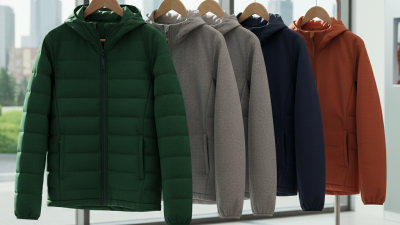
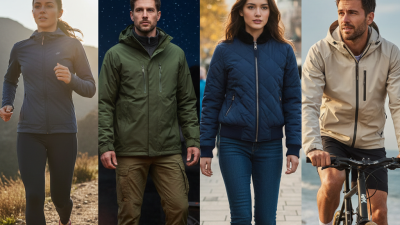
The fashion industry is evolving rapidly, especially in sustainable practices. A growing number of consumers are seeking eco-friendly alternatives, such as the Recycled Polyester Jacket. According to a report by Textile Exchange, polyester made from recycled materials could save up to 70% of energy compared to virgin polyester. This highlights the environmental benefits of choosing recycled fabrics.
However, selecting the right Recycled Polyester Jacket is not always straightforward. The proliferation of brands and types can lead to confusion. It's crucial to consider both functionality and sustainability. Think about where the jacket is sourced and how it’s produced. Industry experts emphasize the importance of certifications, which ensure the fabric meets certain environmental standards.
Although these jackets offer a greener option, not all are created equal. Some may still incorporate harmful processes. Therefore, consumers should be discerning and conduct thorough research. A well-informed choice not only promotes sustainability but also supports brands committed to ecological responsibility. Exploring these elements can lead to smart, impactful purchasing decisions.
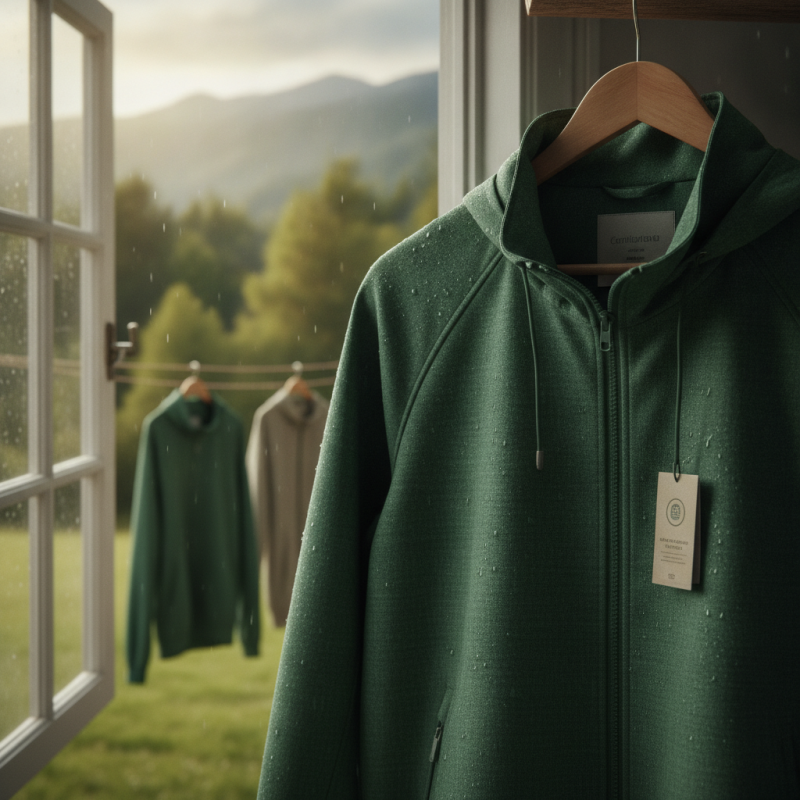
Recycled polyester is transforming the fashion industry. This material, made from plastic bottles and other post-consumer waste, reduces reliance on virgin resources. It helps divert waste from landfills, addressing sustainability concerns. Choosing a recycled polyester jacket not only benefits the environment but also promotes ethical fashion practices.
The advantages of recycled polyester are clear. It requires less energy to produce compared to virgin polyester. This leads to a lower carbon footprint. Additionally, jackets made from recycled polyester are often durable and resistant to mold. However, it is essential to consider the entire lifecycle of the product, from production to disposal. Not all recycled polyester jackets are created equal, and some may still have environmental impacts.
While the benefits are significant, it's worth reflecting on the limitations. The production process can still involve harmful chemicals. Furthermore, not all recycling processes are efficient or transparent. When choosing a jacket, look for brands that prioritize sustainability through transparent sourcing and eco-friendly practices. Strive for informed choices that balance style, functionality, and environmental responsibility.
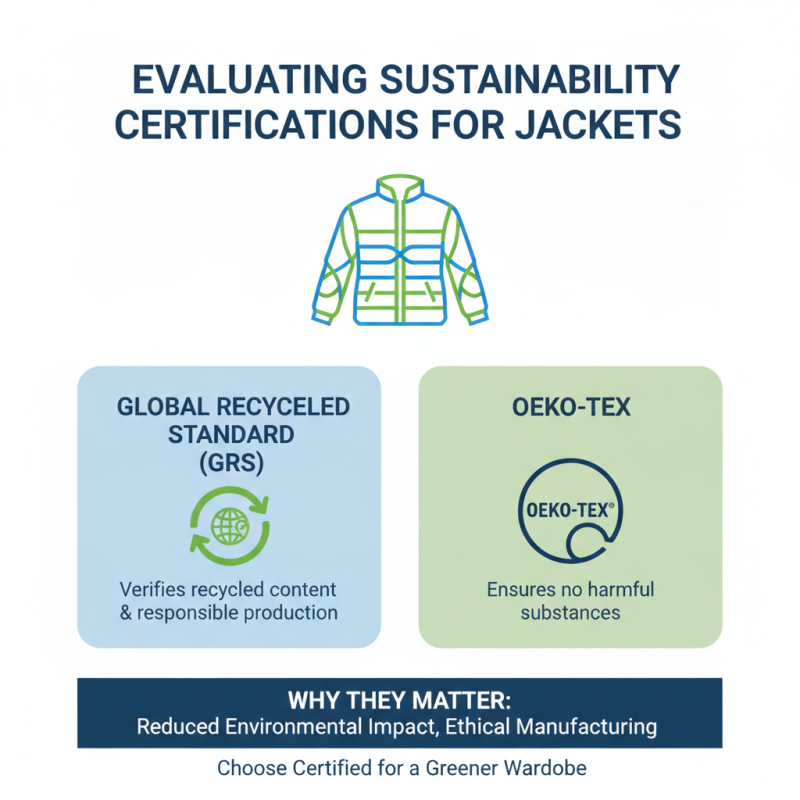
When choosing a recycled polyester jacket, sustainability certifications matter. They indicate the environmental impact of the production process. Look for certifications like Global Recycled Standard (GRS) or OEKO-TEX. These labels ensure that materials are recycled responsibly and manufactured without harmful substances.
Understanding these certifications can be challenging. Not all labels guarantee the same level of sustainability. It’s essential to dig deeper into what each certification entails. For example, GRS focuses on traceability and social responsibility. But some brands may overstate their sustainability claims. Scrutinizing the details helps ensure authenticity.
Not every jacket will meet your expectations for sustainability. Some certified materials could still come from factories with questionable practices. Evaluate the entire supply chain. Transparency is key. Seek brands that openly share their processes. This will help in making a more informed choice while supporting true sustainability efforts.
When selecting a recycled polyester jacket, focus on the fabric's durability. High-quality recycled materials can withstand wear and tear. Look for jackets with reinforced seams and water-resistant finishes. These features extend the jacket’s lifespan and keep you comfortable in various weather conditions.
Another key aspect is breathability. Ensure the jacket allows air circulation while retaining warmth. Fabrics with moisture-wicking properties prevent sweat buildup. This is especially important for outdoor activities. You want a jacket that keeps you dry without sacrificing comfort.
Consider the design, too. A well-fitted jacket promotes mobility. Look for adjustable cuffs and hems. This design enhances insulation by blocking out wind. However, sometimes the perfect fit may come at the cost of style. Finding a balance can be challenging. Choose a jacket that reflects your style while offering functionality.
When choosing a recycled polyester jacket, comfort and fit should be a top priority. The jacket should feel good against your skin. It should not rub or chafe. Consider your activities. Will you be hiking or just walking around town? A snug fit may work for active use, while a looser style suits casual wear.
Explore different styles. Look for features like adjustable cuffs and hemlines. These can improve fit significantly. Pay attention to the fabric's breathability. It should allow moisture to escape while keeping you warm. Check the jacket’s weight to ensure it won’t feel bulky.
Remember, sizing varies between brands. Trying on a few options is crucial. What feels right for one person might not suit another. Take time to assess how the jacket moves with you. Does it restrict arm movement? These details matter for comfort. Don’t hesitate to give feedback on how the fit feels. Your experience can guide future improvements in eco-friendly outerwear.
When selecting a recycled polyester jacket, it’s vital to examine the brand's ethical practices. Sustainable sourcing is key to understanding the jacket's overall impact. Many brands claim to use recycled materials, but check their transparency. Look for companies that openly share where their materials come from. This transparency often reflects their commitment to ethical practices.
Consider the production processes as well. Are workers treated fairly? Brands that prioritize ethical labor practices usually ensure quality in the products they make. You can often find reports on labor rights from independent organizations. Such insights provide a layer of trust.
Here are a few tips for making your choice: Look for certifications that indicate environmental responsibility. Investigate brands’ social initiatives. Ask questions, too. Engaging with brands directly can reveal a lot about their values. Don’t settle for the first option. A little research can lead to a better choice. This effort reflects not only your sense of style but also your commitment to sustainability.