Top 10 Tips for Choosing the Perfect Fleece and Sherpa Jacket?
Choosing the right Fleece And Sherpa Jacket can be daunting. The market is flooded with options, each claiming to be the best. According to a recent study by Apparel Insights, the fleece jacket market is projected to grow by 5% annually. This highlights the increasing demand for quality outerwear.
Expert Sarah Thompson, a renowned figure in outdoor apparel, emphasizes the importance of quality. She states, "A good Fleece And Sherpa Jacket not only keeps you warm but also elevates your style." With cold weather approaching, selecting the right jacket matters more than ever.
Consider fabric, fit, and functionality when making a choice. Not all jackets are created equal. Some may lack durability or comfort. Pay close attention to the details. A small difference in features can impact your overall experience. Remember, it’s about finding the perfect balance between warmth and style.
Understanding Different Types of Fleece and Sherpa Materials
When selecting a fleece or Sherpa jacket, understanding the materials is crucial.
Fleece is a synthetic fabric, typically made from polyester.
It is soft, lightweight, and often used for insulation. There are different types of fleece, including microfleece and polar fleece.
Microfleece is thinner and suitable for layering. Meanwhile, polar fleece is thicker and warmer, ideal for cold weather.
Sherpa material mimics the texture of sheepskin. It is often used as a lining in jackets to provide extra warmth.
Sherpa can feel plush and cozy, making it comfortable for outdoor activities.
However, it can also be bulkier, which might not suit everyone's style.
Think about your needs before making a choice. Will you be using the jacket for outdoor adventures or casual wear?
The jacket's weight and warmth should match your lifestyle. Balancing comfort and style can be tricky.
Some may find certain materials too constricting or warm for their liking.
It's essential to try different types before deciding.
Assessing Insulation and Warmth for Your Jacket Needs
When choosing a fleece or Sherpa jacket, insulation and warmth are key factors.
Industry research shows that effective insulation can reduce heat loss by up to 30%. For cold climates, look for jackets with a warmth-to-weight ratio of at least 1.2. This number indicates how efficiently the fabric retains heat.
A few essential tips can guide your decision. Check the material's fiber density; higher density often means better insulation. Opt for jackets with at least 300 grams of fleece or Sherpa for optimal warmth on chilly days. Layering also plays a crucial role; a well-fitted base layer can enhance insulation without bulk.
Consider breathability too. Some jackets trap moisture, leading to discomfort. Look for options rated with a moisture management system. Finding the right balance between warmth and breathability is vital. Remember, not all jackets are created equal; some may claim warmth but lack in field performance. Test the jacket in varying temperatures to ensure it meets your needs.
Evaluating Fit and Comfort for Daily Wear
Choosing the right fleece and Sherpa jacket is more than just style; it’s about fit and comfort. When you try on a jacket, pay attention to how it feels. Is it snug but not restrictive? You want to move freely. Raise your arms. If the fabric pulls or rides up, it's probably too tight. The body should feel cozy without any pinching.
Length is important too. A good jacket should cover your hips comfortably. Check if it rides up when you sit. Yet, don’t overlook the sleeves. They should extend to your wrists, ensuring warmth. What about the collar? A snug fit at the neck can keep the chill out. It might seem trivial, but comfort here makes a big difference in daily wear.
Consider the weight of the fabric as well. Heavier jackets can feel more protective in cold weather. However, they might be cumbersome for all-day wear. If you find yourself adjusting or pulling at the fabric, that’s a sign. Reflect on your daily activities. Do you need flexibility or warmth? Each person’s needs vary. Finding that perfect balance requires trying different styles.
Top 10 Tips for Choosing the Perfect Fleece and Sherpa Jacket
| Tip Number |
Tip Description |
Considerations |
| 1 |
Choose the Right Size |
Ensure it allows for layering without being too loose. |
| 2 |
Check the Fabric |
Look for high-quality materials that offer warmth and breathability. |
| 3 |
Consider the Style |
Different styles suit different occasions; choose one that fits your lifestyle. |
| 4 |
Evaluate Insulation |
Decide how much warmth you need based on your activities and climate. |
| 5 |
Look for Functional Features |
Pockets, adjustable cuffs, and hoods can enhance functionality. |
| 6 |
Assess Care Requirements |
Choose a jacket that fits your washing and maintenance preferences. |
| 7 |
Test for Comfort |
Try it on and move around to see how well it fits during activities. |
| 8 |
Choose a Versatile Color |
Select colors that can match multiple outfits for more wearability. |
| 9 |
Check for Breathability |
Make sure the jacket offers airflow to prevent overheating. |
| 10 |
Review Customer Feedback |
Look for reviews on fit, comfort, and durability to inform your choice. |
Exploring Style Options and Color Choices
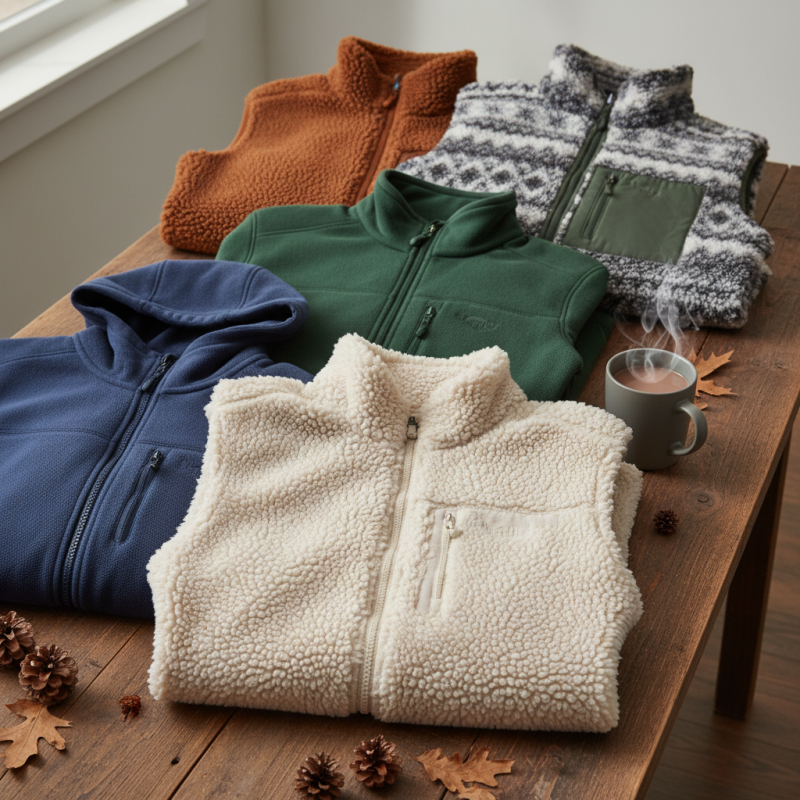
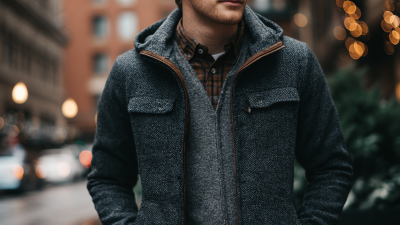
When selecting the perfect fleece or Sherpa jacket, color choice is vital. Neutrals like gray and black offer versatility. They pair well with many outfits and never go out of style. However, opting for brighter colors can make a statement. A bold red or deep blue can instantly elevate your look. It’s a chance to express your personality. Consider how the color complements your skin tone.
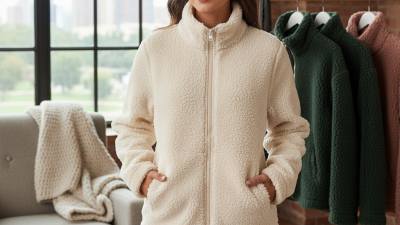
Style options should also be a key focus. Classic styles, such as zip-ups or pullovers, provide comfort and practicality. While cropped jackets add a trendy twist, making them ideal for layering. Oversized fits can be cozy but may feel disproportionate with certain outfits. Experimenting becomes essential. Try wearing your jacket with different bottoms to see what works. It’s okay to feel uncertain at times; finding the right fit might take a few attempts. Ultimately, your choice should reflect your personal style while remaining functional.
Considering Care Instructions and Durability for Longevity
When selecting a fleece or sherpa jacket, considering care instructions is essential. You want a jacket that is easy to maintain. Many options are machine washable, but check the labels carefully. Some may require a gentle cycle. Others might need air drying to prevent shrinkage. Knowing how to care for your jacket can extend its life significantly.
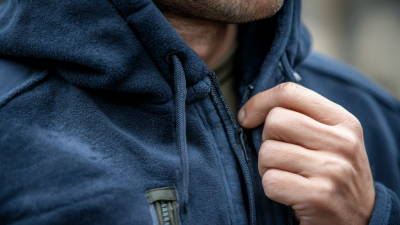
Durability is another crucial factor. Look for features that enhance longevity. Reinforced stitching can withstand wear and tear. Zippers should be sturdy, not flimsy. Keep in mind that colors can fade, especially if not washed properly. Light colors may require more care. Always remember that a well-maintained jacket can look great for years. Treat stains immediately, and don’t overlook small damages. A little care goes a long way. Choosing wisely now can lead to a cozy and stylish companion for many seasons to come.
Durability and Care Instructions for Fleece and Sherpa Jackets