How to Choose a Sustainable Jacket for Eco Friendly Fashion?
Choosing a sustainable jacket is an important step towards eco-friendly fashion. A sustainable jacket can keep you stylish while protecting the environment. It represents a shift in consumer habits, emphasizing quality over quantity.
When selecting a sustainable jacket, consider the materials used. Fabrics like organic cotton, recycled polyester, or hemp are excellent choices. These materials not only reduce waste but also minimize harmful impacts on nature. Look for brands that prioritize ethical production practices. This ensures fair treatment of workers throughout the supply chain.
However, the search for the perfect sustainable jacket is not without challenges. Different certifications can be confusing. It may require some research to understand what truly defines sustainability. Additionally, price points can vary widely. Balancing affordability and sustainability can be tricky. But remember, investing in a high-quality sustainable jacket is a step toward a more conscientious wardrobe.
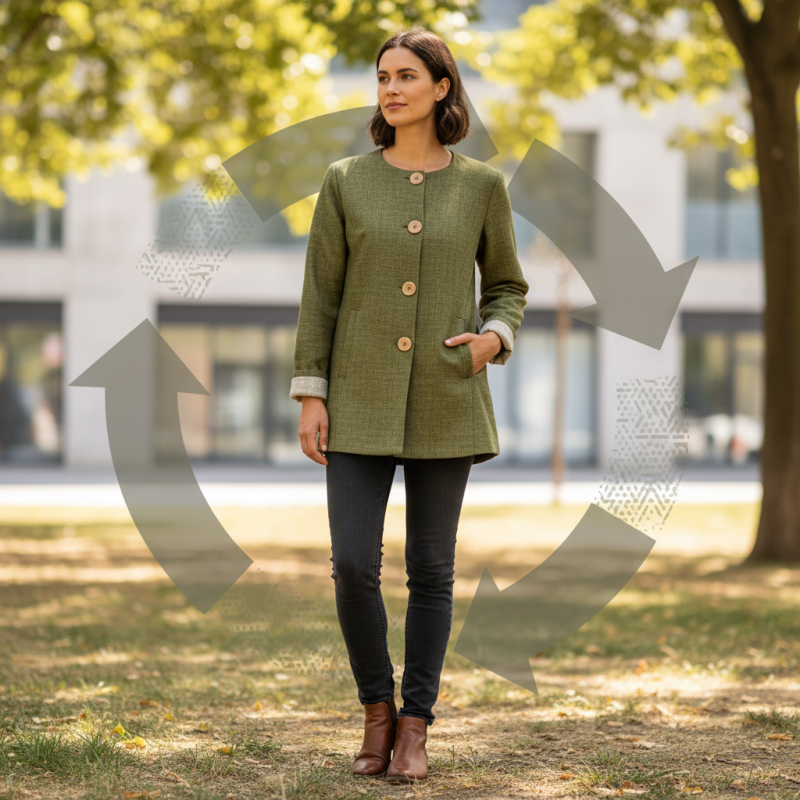
Choosing the Right Fabric: Understanding Sustainable Materials in Jackets
When choosing a sustainable jacket, fabric plays a crucial role.
Natural materials like organic cotton and hemp are often better choices.
These fabrics reduce the impact on the environment compared to conventional options.
They often require less water and no harmful pesticides in farming.
However, some organic options can still leave a hefty carbon footprint.
Recycled materials are another great option.
Jackets made from recycled polyester can divert plastic waste from landfills.
This process is not perfect, though; it often involves energy-intensive methods.
So, while recycling is beneficial, it might not be as eco-friendly as we think.
Consider the longevity of your jacket too.
A well-made piece should last years, not just a season.
Fast fashion often tempts us with low prices, but that can lead to more waste.
Reflect on what you truly need before making a purchase.
A sustainable jacket is not just about the fabric; it's about thoughtful consumption.
Evaluating Production Practices: Key Indicators of Ethical Manufacturing
Choosing a sustainable jacket requires careful thought about production practices. Ethical manufacturing involves several key indicators. Look for transparency in sourcing materials. Brands should share where and how their fabrics are made. If this information is missing, consider it a red flag.
Another important aspect is labor practices. Ethical brands prioritize fair wages and safe working conditions. Research whether workers are treated with respect and dignity. Seek out certifications that verify these practices, such as Fair Trade or Global Organic Textile Standard. If a brand does not provide proof of ethical treatment, it's wise to reconsider your purchase.
Tips: Check for local production. Shorter supply chains often mean a lower carbon footprint. Engage with brands directly. Ask them about their manufacturing practices. Remember that sustainable fashion is a journey. Each purchase is a step toward a better future. Reflect on your choices, as every decision counts.
Assessing Lifespan: The Importance of Durability in Sustainable Fashion
When choosing a sustainable jacket, durability should be at the forefront. The Global Fashion Agenda reports that extending the life of clothing by just nine months can reduce its environmental impact by 20-30%. This highlights the significance of selecting materials that withstand the test of time. Fabrics like organic cotton or recycled polyester often offer greater longevity than fast fashion alternatives. However, not all sustainable options are equally durable.
It’s essential to assess construction quality as well. Some jackets may use eco-friendly materials but fail in workmanship. A poorly stitched seam can lead to wear and tear, undermining sustainability efforts. According to a recent study, nearly 60% of consumers are unaware that durability influences a garment's ecological footprint. This lack of awareness is concerning and calls for more education in the fashion community. We need a mindset shift, focusing on making informed choices that prioritize longevity over fleeting trends.
Additionally, sustainable jackets should not only resist wear but also adapt to various situations. A versatile design can prolong usefulness, reducing the need for multiple purchases. Yet, buyers sometimes settle for the first appealing option. This compromises their commitment to sustainability. Reflecting on these factors can lead to more responsible fashion choices that support the environment in the long run.
Certifications and Labels: Recognizing Credible Eco-Friendly Standards
When choosing a sustainable jacket, look for credible certifications. These labels make the difference. Popular certifications include GOTS and OEKO-TEX. They ensure the materials used meet eco-friendly standards. Jackets with these labels often feature organic fabrics or recycled materials. This is crucial for reducing environmental impact.
Consider the transparency of the brand. Do they share information on their sourcing and production methods? A lack of clarity can be a red flag. Brands may claim to be sustainable but fall short. Investigate the supply chain to ensure ethical practices. Authentic labels indicate that ethical labor is also considered alongside eco-friendliness.
While some jackets may boast eco-friendly labels, not all meet high standards. Research is key to making an informed choice. Sometimes, the cheapest option may not be the best for the environment. It requires a bit of reflection to understand the true cost of fast fashion. Look for those small details, like packaging and transportation practices. They contribute to the overall sustainability of the product.
How to Choose a Sustainable Jacket for Eco Friendly Fashion?
Impact of Lifecycle: Analyzing Carbon Footprint and Environmental Effects
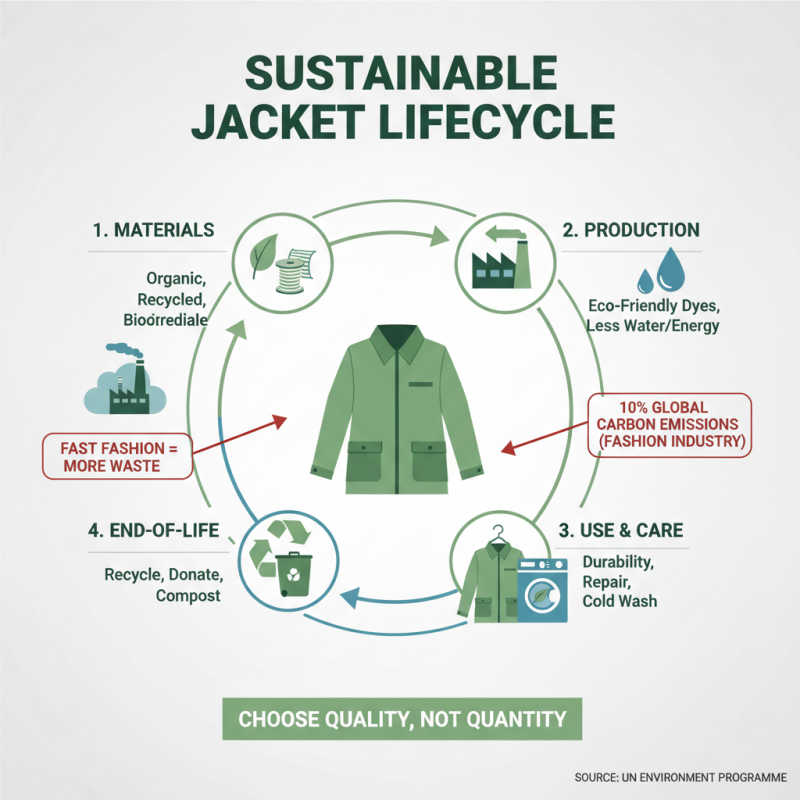
Choosing a sustainable jacket involves understanding its lifecycle. The carbon footprint of clothing is significant. According to the UN Environment Programme, the fashion industry accounts for 10% of global carbon emissions. This is alarming, considering the growth of fast fashion.
Every stage of a jacket's lifecycle contributes to its environmental impact. From raw material extraction to production and eventual disposal, each step matters. For instance, producing one cotton shirt can require up to 2,700 liters of water. This water scarcity implicates local ecosystems and communities. Manufacturing often involves harmful chemicals, leading to soil and water contamination.
Recycling is crucial. The Ellen MacArthur Foundation highlighted that less than 1% of material used to produce clothing is recycled into new garments. This is an area needing improvement. Sustainable choices can reduce landfill waste and lower carbon emissions. Consumers hold power through their purchasing choices. Understanding the lifecycle impact can lead to better decisions. Ultimately, it’s about creating a balance between fashion and sustainability.