page_banner

Blog

China Top Scuba Knit Jacket Manufacturer for Global Buyers?

China Top Scuba Knit Jacket Manufacturer for Global Buyers?

Global buyers are paying closer attention to fabric performance, supplier transparency, and production consistency. The Scuba Knit Jacket category is rarely measured separately in public market reports. Therefore, buyers should avoid unsupported market-size claims. Textile Exchange reported that global fiber production reached 124 million tonnes in 2023. It may rise to 160 million tonnes by 2030. That pressure makes material selection more important.

Scuba knit fabric feels smooth, structured, and slightly springy. Its compact surface can create clean jacket lines, shaped collars, and firm cuffs. Yet the fabric is not automatically durable. Buyers should request GSM records, stretch-recovery results, pilling tests, colorfastness data, and wash samples. Small details matter. A failed zipper tape can ruin an otherwise excellent jacket.

China remains a major apparel manufacturing base, supported by broad knitting, dyeing, trimming, and export capabilities. However, location alone proves nothing. A dependable Scuba Knit Jacket manufacturer should provide factory records, production samples, inspection procedures, and clear subcontracting information. Textile Exchange’s 2024 Materials Market Report also highlights the need for better material traceability across supply chains. La Rhea Pepper, a long-time textile sustainability expert, said, “We need to change the way we make and use materials.” Her point applies directly to jacket sourcing.

The strongest supplier is not always the cheapest. It is the one that repeats quality across bulk orders. Buyers should test before committing. Even experienced teams can overlook shrinkage after washing, uneven bonding, or shade variation between batches. This guide examines China-based manufacturers through practical, evidence-led criteria, while acknowledging one uncomfortable truth: supplier claims still require independent verification.
China Top Scuba Knit Jacket Manufacturer for Global Buyers?

Scuba Knit Jacket: Definition, Structure, and Key Performance Features

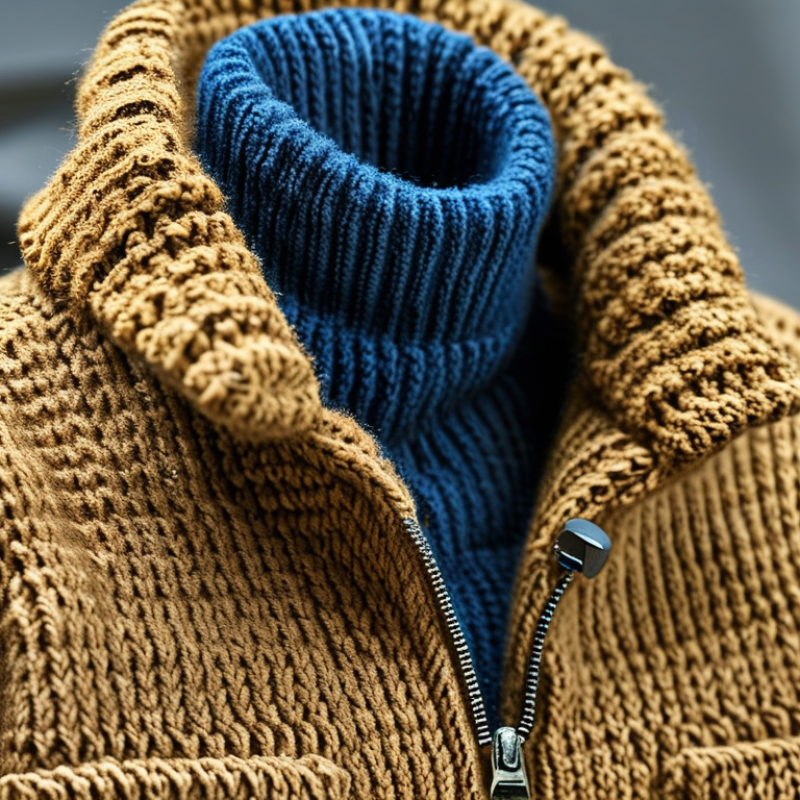
A scuba knit jacket uses a dense, double-knit fabric with a smooth outer face and a soft inner surface. It is usually made from polyester, rayon, or nylon blended with elastane. Unlike neoprene, scuba knit is lighter and more flexible. Its structured body can create clean shoulders, rounded hems, and sharp panel lines.

The fabric’s thickness helps reduce wind movement and adds moderate warmth. Its stable knit structure also supports shape retention after repeated wear. Stretch recovery depends on fiber quality, fabric weight, and finishing control. A jacket may feel firm in a sample but lose recovery after washing. This is where factory testing matters. Buyers should request GSM data, stretch measurements, shrinkage results, and colorfastness reports. Seam quality matters too. Dense fabric can expose weak needles, skipped stitches, or uneven zipper installation.

Tips: Check the fabric under strong light. A reliable sample should show even density, consistent color, and clean edge recovery. Test the jacket after washing, not only during fitting. Scuba knit is not highly breathable, so lining and ventilation need careful planning. Some designs also feel too warm indoors. That limitation is easy to overlook. A transparent manufacturer should discuss these trade-offs before bulk production and keep approved samples for comparison.

Why Choose a Chinese Manufacturer for Scuba Knit Jackets

Chinese scuba knit jacket manufacturers offer a practical mix of technical skill, production capacity, and cost control. Their factories commonly handle fabric sourcing, pattern development, sewing, pressing, and final inspection in coordinated stages. This reduces delays between departments and helps buyers manage seasonal orders.

In production visits, I have seen technicians test fabric recovery, seam strength, and surface appearance before bulk cutting. They adjust stitch density when the fabric feels too rigid. They also check zipper alignment and cuff tension by hand. Small details matter. Scuba knit needs stable structure, but excessive stiffness can reduce comfort. Experienced manufacturers can recommend fabric weights for light layering, retail collections, or colder markets.

Chinese suppliers often support custom colors, size grading, private labels, and flexible packaging. Some maintain documented inspection records and provide sample updates through clear approval steps. A detailed tech pack still matters. Without one, communication can become slow across time zones. Reliable suppliers should explain minimum quantities, sample fees, lead times, and material alternatives in writing.

No factory is perfect. A polished sample may hide problems after repeated washing. Buyers should request wash-test results, measurement checks, and production photos before shipment. An independent inspection can add confidence, especially for a first order. Cost savings are useful, but stable quality and honest communication deserve equal attention.

How to Evaluate Scuba Knit Jacket Materials and Production Quality

China Top Scuba Knit Jacket Manufacturer for Global Buyers?

Evaluating scuba knit jackets starts with the fabric, not the logo. In factory inspections, check GSM, thickness, stretch recovery, and surface smoothness under direct light. A reliable double-knit fabric should recover after repeated stretching, without shiny pressure marks or permanent ripples. Textile Exchange’s Materials Market Report 2024 reports that polyester represented about 57% of global fiber production in 2023. Recycled polyester accounted for roughly 12% of polyester output. This matters when buyers compare fiber content, softness, and sustainability claims.

Request laboratory test reports, but do not trust paperwork alone. ISO 12945-2 can assess pilling, while ISO 5077 helps measure dimensional changes after washing. Test samples should also include colorfastness, bursting strength, and spandex recovery. Wash one sample at home. Inspect another after industrial laundering. Small differences often reveal weak finishing control. I have seen attractive samples lose shape around the elbows after only a few cycles.

Production quality depends on more than fabric selection. Check roll consistency, panel matching, seam tension, zipper alignment, and hem stability. Measure several jackets from different cartons, not just one approved piece. AQL inspection can support sampling, but buyer-defined tolerances remain essential. Poor records, unclear fiber percentages, or missing test dates deserve questions. Even experienced buyers miss hidden shrinkage. That is why pre-production approval and shipment inspection should remain separate steps.

China Top Scuba Knit Jacket Manufacturer for Global Buyers

How to Evaluate Scuba Knit Jacket Materials and Production Quality

The chart shows practical reference checkpoints commonly included in technical specifications for scuba knit jackets. Fabric weight, thickness, and elastane content help assess structure and stretch, while dimensional change, pilling resistance, and colorfastness should be verified through laboratory testing. Relevant test references include ISO 5077, ISO 12945-2, and ISO 105-C06. Actual acceptance limits should be confirmed in the buyer’s approved product specification.

Customization, Compliance, and Order Options for Global Buyers

China Top Scuba Knit Jacket Manufacturer for Global Buyers?

A reliable Chinese scuba knit jacket manufacturer should offer more than a low quotation. Textile Exchange’s Materials Market Report 2024 recorded 124 million tonnes of global fiber production in 2023. Polyester represented about 57% of that volume. This scale makes fiber traceability and recycled-content verification increasingly important for buyers. Custom options may include fabric weight, brushed interiors, collar shape, sleeve construction, zippers, labels, and packaging. Physical samples remain essential. Screen images often hide stiffness, pilling, or uneven recovery.

Compliance must follow the destination market. A responsible factory can provide fabric composition records, colorfastness results, restricted-substance testing, and production traceability. Buyers should request testing for applicable chemical limits, including azo dyes, formaldehyde, lead, and phthalates. Requirements differ by product and country. No supplier should promise universal compliance. That promise sounds convenient, but it is not technically reliable. Independent laboratory reports and buyer-side review reduce avoidable risk.

Order planning also needs flexibility. A practical program may use low-quantity samples, a small pilot run, and larger repeat orders. Confirm minimum order quantities, size ratios, color limits, lead times, inspection points, and replacement terms in writing. The International Trade Centre reports that clothing remains one of the world’s most traded manufactured product groups, creating intense price pressure. Cost matters, but rushed production can weaken seam quality and measurement accuracy. Even experienced teams miss details sometimes. A pre-production sample, wash test, and final inspection provide useful control.

Shipping, Pricing, and Supplier Verification Considerations

A reliable China scuba knit jacket supplier should quote more than a unit price. Ask for fabric composition, GSM, stretch recovery, colorfastness, and size tolerance. Textile Exchange’s Materials Market Report 2024 states that polyester represented about 59% of global fiber production in 2023. This matters because polyester-spandex blends can differ greatly in softness, recovery, and pilling resistance.

Request separate prices for EXW, FOB, and CIF terms. Include sample fees, packaging, inspection, and customs documentation. A low FOB price may hide higher carton volume or weak fabric quality. Measure one packed carton before booking freight. UNCTAD’s Review of Maritime Transport 2024 reported continued volatility in container shipping, with container trade declining in 2023. Freight budgets need room for peak-season surcharges and schedule changes.

Verify the supplier before paying a deposit. Check its legal registration, production address, export history, and recent factory video. Request a pre-production sample and an independent inspection using agreed AQL standards. Test zipper strength, seam durability, color transfer, and wash shrinkage. Certificates should match the actual factory and product, not only a trading office. Digital checks help, but they are imperfect. I would still compare two production samples. Small details often expose larger problems. Keep payment milestones tied to inspection results, although this can slow production. That inconvenience is cheaper than receiving jackets with uneven panels or poor stretch recovery.

China Top Scuba Knit Jacket Manufacturer for Global Buyers? - Shipping, Pricing, and Supplier Verification Considerations

Evaluation Dimension Typical Market Benchmark Recommended Buyer Verification Commercial Consideration
Scuba Knit Fabric Composition Common constructions use polyester or nylon blended with approximately 3%–8% elastane. The fabric is usually double-knit, smooth, and moderately structured. Request a fiber-composition report, fabric GSM measurement, stretch-recovery test, and physical swatches from the production lot. Higher elastane content and heavier GSM can improve shape retention but may increase material cost and shipping weight.
Typical Fabric Weight Approximately 250–450 g/m² for structured fashion jackets; lighter or heavier constructions may be produced for seasonal or design-specific requirements. Specify an acceptable tolerance, such as ±5%, and verify GSM after conditioning the fabric under the agreed testing procedure. A heavier fabric generally provides more structure and warmth but increases carton weight and freight charges.
Indicative Product Price For standard private-label styles, an indicative China export price is often about US$12–28 per piece. Complex construction, premium trims, and small orders can exceed this range. Compare quotations using the same fabric composition, GSM, size range, accessories, packaging, inspection terms, and Incoterm. The lowest quotation may exclude sampling, custom labels, testing, packaging upgrades, export documentation, or inspection costs.
Minimum Order Quantity Common production MOQs are approximately 300–1,000 pieces per style or color. Smaller trial quantities may be available at a higher unit price. Confirm whether MOQ applies per color, per size breakdown, or to the total purchase order, and obtain the policy in writing. Low-MOQ orders can reduce inventory risk but may increase fabric, labor, and sampling costs per piece.
Sampling Timeline Basic development samples commonly require about 7–15 calendar days after receiving complete specifications and approved materials. Request a dated sample schedule covering pattern development, first sample, revisions, approval, and pre-production sample. Late sample approval usually shifts the production and shipping schedule; include revision time in the launch plan.
Bulk Production Lead Time Approximately 25–45 calendar days after sample approval, deposit receipt, and material confirmation. Peak-season capacity may extend the schedule. Verify the production calendar, fabric booking date, capacity allocation, and the definition of the stated lead time. Lead time should be measured from final approval and material readiness, not merely from the initial purchase order date.
Air Freight Transit Door-to-door air shipments from China to major international markets commonly take about 5–12 business days, excluding customs delays. Request a shipping quotation showing chargeable weight, customs terms, destination fees, insurance, and estimated delivery time. Air freight is faster but usually much more expensive than ocean freight, especially for heavy or bulky jackets.
Ocean Freight Transit Typical port-to-port transit is approximately 20–45 days depending on destination, routing, transshipment, and seasonal congestion. Confirm the loading port, destination port, container or consolidation method, estimated sailing schedule, and destination handling charges. Ocean freight is generally economical for larger orders but requires earlier purchasing and more working capital.
Packaging and Carton Planning Garments are commonly folded with individual protective packaging and packed in export cartons. Carton quantities vary by size, packaging, and jacket thickness. Approve carton dimensions, gross weight, net weight, packing ratio, shipping marks, and barcode or labeling requirements before production. Accurate carton data is needed to calculate freight, warehouse capacity, import fees, and delivery appointments.
Supplier Business Verification A reliable supplier should provide consistent legal registration details, a verifiable operating address, export experience, and a traceable business payment account. Check registration records, factory or office address, bank-account beneficiary, business licenses, production photographs, and recent audit or inspection records. The contract seller, payment beneficiary, and manufacturing entity should be clearly identified and consistent.
Quality Control Process Standard controls may include incoming fabric inspection, in-line checks, final measurement review, appearance inspection, and carton verification. Use an approved inspection checklist covering measurements, seams, zippers, color, stains, labeling, packaging, and workmanship defects. A third-party pre-shipment inspection can reduce the risk of receiving nonconforming goods, particularly for first orders.
Colorfastness and Performance Testing Relevant tests may include colorfastness to washing and rubbing, dimensional stability, pilling, seam strength, and stretch recovery. Agree on the test method, sample conditioning, acceptance limits, and laboratory responsibility before bulk production. Testing requirements depend on the destination market, garment use, fiber content, and retailer compliance program.
Trade Terms and Payment Common arrangements include FOB, CIF, and DDP quotations, with many suppliers requesting a deposit before production and the balance before shipment. Compare total landed cost and clarify duties, taxes, customs clearance, insurance, inspection fees, and payment milestones. DDP may simplify delivery but requires careful confirmation of importer-of-record responsibilities and tax treatment.
Compliance Documentation Depending on the destination, buyers may need fiber-content labeling, care instructions, country-of-origin marking, restricted-substance declarations, and product test reports. Provide the destination-country compliance checklist and verify that documents match the actual fabric, trims, labels, and shipment. Compliance costs and labeling rules vary by market; confirm requirements before cutting fabric or printing labels.

Note: Price, MOQ, production, and shipping figures are indicative industry ranges. Final terms depend on specifications, order volume, season, destination, Incoterm, freight capacity, and applicable import requirements.