7 Best Vintage Jacket Suppliers for Global Buyers?
The Vintage Jacket market is moving from niche resale into mainstream fashion commerce. ThredUp’s 2024 Resale Report projects the global secondhand apparel market will reach $350 billion by 2028. It also identifies younger shoppers as major drivers of resale growth. Demand is real.
Yet global buyers face practical challenges. A supplier may show a striking leather jacket, but hide its lining damage. Size labels can vary across decades and countries. Shipping costs, grading standards, repair quality, and stock consistency also affect final margins. Details matter. The best suppliers provide clear measurements, condition descriptions, fabric information, and responsive communication.
Fashion circularity expert Orsola de Castro has said, “The most sustainable garment is the one already in your wardrobe.” Her point suits vintage sourcing, where reuse can extend a jacket’s functional life. However, resale is not automatically sustainable. Poor packaging, unnecessary transport, and unsold inventory still create environmental costs. This article evaluates seven Vintage Jacket suppliers for global buyers, considering product authenticity, wholesale options, grading accuracy, customization, and export readiness. These criteria reflect practical buying experience, not only attractive catalog images.
The comparison is not perfect. Supplier policies change, and regional availability may differ. Buyers should request current photos, sample orders, and commercial terms before committing. A careful inspection can reveal faded cuffs, broken zippers, or odors that online listings miss. Those small defects matter when selling to demanding customers. With reliable verification, the right supplier can support distinctive collections, controlled purchasing, and stronger customer trust.
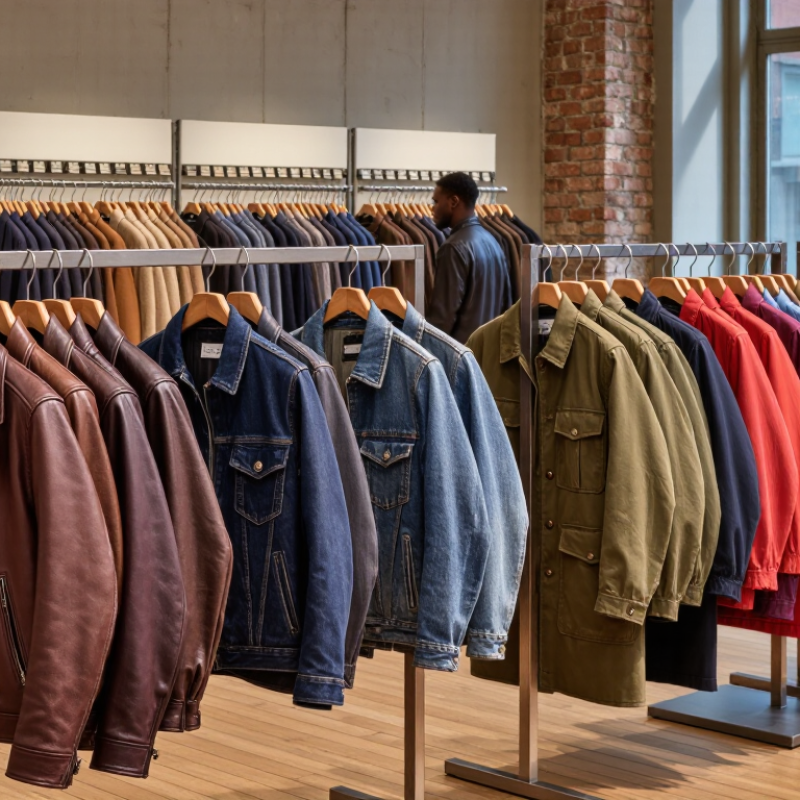
Vintage Jacket Market Context: $350B Global Resale by 2028 (thredUP)
Vintage Jacket Market Context: $350B Global Resale by 2028
The global resale apparel market is projected to reach $350 billion by 2028, according to the 2024 Global Resale Report by thredUP. This growth reflects changing buyer habits, especially among younger consumers seeking distinctive clothing with lower environmental impact. The Ellen MacArthur Foundation reports that one truckload of textiles is landfilled or burned every second. Vintage jackets fit this shift well. They offer visible character, durable materials, and stronger storytelling than mass-produced alternatives.
For global buyers, reliable suppliers should provide exact measurements, fabric details, condition grades, and clear photos. A jacket labeled “good condition” can still hide worn cuffs or damaged lining. That wording needs stricter definition. Industry experience also shows that mixed wholesale bundles may contain uneven sizes, colors, and seasons. Buyers should request a sample lot before placing larger orders. The Global Fashion Agenda has repeatedly identified better product use and circular business models as important ways to reduce fashion’s resource pressure. However, resale data is not perfect. Market forecasts vary by methodology and region.
Tips:
Ask for chest, sleeve, and back measurements. Confirm the grading system in writing. Review recent shipment records and packaging quality. Calculate duties, freight, and return costs before comparing prices. A low unit price may look attractive, but inconsistent sorting can reduce actual margin. Keep records of defects and shortages. Small details matter.
How to Evaluate Suppliers by MOQ, Authenticity, Grades, and Export Reach
For global buyers comparing seven vintage jacket suppliers, supplier quality matters more than attractive photos. Start with MOQ. A low MOQ helps test demand, while bulk orders may reduce unit costs. Ask whether the MOQ applies per style, size, color, or shipment. Request a sample before committing. A single jacket can reveal stitching, lining, odor, and hidden repairs.
Authenticity requires more than a “vintage” label. Reliable suppliers should explain sourcing channels, production periods, and item history when available. Ask for clear photos of care labels, zippers, seams, and interior tags. Grades must also be defined in writing. Grade A should not hide major stains, broken closures, or severe fabric thinning. However, grading systems differ between exporters. That remains a weakness. Use your own checklist and record defects after inspection.
Tips: Confirm the allowed product category, export documents, packaging method, and destination coverage. Ask how many countries the supplier serves regularly. Check whether they understand customs descriptions and seasonal shipping delays. A supplier with broad export reach may still struggle with small orders. Request recent shipment references, response times, and a written replacement policy. Do not rely on perfect catalog images. Real stock often looks less uniform. That is normal. A careful buyer leaves room for mistakes, but not vague promises.
7 Best Vintage Jacket Suppliers for Global Buyers
Buyer Evaluation Framework by MOQ, Authenticity, Grades, and Export Reach
This 100-point evaluation model prioritizes verifiable authenticity and consistent grading before commercial factors such as MOQ and pricing. Global buyers should validate each score with product samples, condition reports, export documents, and written claims policies.
Seven Leading Vintage Jacket Suppliers for Global Buyers
Seven leading vintage jacket suppliers for global buyers usually fall into distinct sourcing groups: curated wholesale warehouses, authenticated resale distributors, deadstock specialists, workwear collectors, heritage outerwear dealers, auction-based suppliers, and regional textile exporters. Each group offers different strengths. Wholesale warehouses provide volume and mixed cartons. Authenticated distributors offer clearer condition grading. Deadstock specialists may have unworn pieces, but sizes are often uneven. Workwear collectors bring strong fabrics, visible fading, and practical details such as reinforced elbows and metal buttons.
From my sourcing experience, reliable suppliers share detailed measurements, fabric descriptions, production dates, and photographs of flaws. They should explain whether stains, repairs, or altered linings are present. A dependable supplier also provides sample orders before large purchasing decisions. This matters because a “good condition” label can mean different things across markets. I once accepted a promising shipment with attractive photos, but several sleeves were shorter than expected. The mistake was mine. I trusted appearance more than measurements.
Tips: Request three sample jackets from each supplier. Compare shoulder width, sleeve length, zipper function, and odor. Ask for carton weight and packing details before shipping. Confirm payment terms, inspection options, and delivery schedules in writing. Regional climate also matters; heavy wool jackets may sell slowly in warm markets. Keep a defect allowance in your budget. Vintage stock is rarely perfect, and that imperfection can become its value—or a costly problem.
Global Compliance Check: HS Codes, Textile Rules, and 14-Day EU Returns
Vintage jacket sourcing is not only a style decision. It is a customs and consumer-rights exercise. The European Environment Agency reported clothing consumption of about 14.8 kilograms per person in the EU in 2020. That volume increases scrutiny of material claims, durability, and waste handling.
Ask each supplier for a defensible HS code before shipment. Classification depends on fiber content, garment construction, and whether the jacket is knitted or woven. Do not accept a copied code without checking the WCO Harmonized System and the destination customs database. A commercial invoice should show origin, composition, quantity, value, and condition. “Vintage” is not a substitute for accurate documentation.
Textile labels must generally state fiber composition under EU Regulation 1007/2011. Used clothing can still require clear product information. Suppliers should also explain cleaning, repair, and safety checks. I have seen listings describe mixed fibers as “cotton,” which creates avoidable disputes. That shortcut fails.
For online EU sales, the Consumer Rights Directive normally gives buyers 14 days to withdraw after delivery. The seller must explain the process, refund timing, and return-cost responsibility. Exceptions may apply, so written legal review is sensible. The European Commission’s 2024 Consumer Conditions Scoreboard found that 70% of consumers encountered at least one problem when shopping online in 2023. A return policy should therefore be visible before payment, not hidden inside a shipping document.