page_banner

Blog

10 Best Sherpa Jackets for Men in 2026?

Choosing the right Jacket Sherpa Men style in 2026 is not simply about warmth. It involves fabric density, lining quality, fit, weather resistance, and daily comfort. A soft collar feels inviting in a cold parking lot. However, weak stitching can become obvious after repeated wear. This guide examines ten leading sherpa jackets for men, from rugged workwear layers to cleaner urban designs.

Yvon Chouinard, Patagonia’s founder and a respected outdoor industry voice, once said, “The more you know, the less you need.” That principle matters here. A jacket should earn its place through useful performance, not exaggerated branding. We consider insulation, zipper strength, pocket placement, washing instructions, and movement around the shoulders. We also look at how each jacket behaves during real use, including windy walks, damp commutes, and casual weekend trips.

No ranking is completely objective. Personal style, climate, and body shape can change the result. Some jackets feel warm but become bulky under a coat. Others look refined yet offer limited protection in wet conditions. That difference deserves attention. Our comparisons aim to make those trade-offs clearer, using available product details and practical wear considerations. Prices and materials may change during 2026, so readers should verify current specifications before buying. A perfect jacket may not exist. The best choice is the one that fits your routine, climate, and expectations without pretending to do everything.

10 Best Sherpa Jackets for Men in 2026?

What Is a Sherpa Jacket and Why Is It Popular in 2026?

A sherpa jacket uses thick, high-pile fabric that resembles sheepskin. Its fibers trap warm air around the body. Many versions use sherpa as a lining, while others expose the fleece on the outer surface. The term is imperfect. Some jackets feel fluffy but provide little wind protection. That distinction matters.

Its popularity in 2026 reflects comfort, layering, and practical styling. A relaxed sherpa jacket fits over a T-shirt at 12°C and under a shell during colder rain. The texture also adds visual warmth to simple outfits. Textile Exchange’s Materials Market Report 2024 recorded 124 million tonnes of global fiber production in 2023, with polyester representing about 57%. This explains why synthetic fleece remains widely available, though it also raises recycling concerns.

Secondhand demand adds another reason for interest. ThredUp’s 2025 Resale Report projects the global secondhand apparel market could reach 367 billion dollars by 2029. A durable jacket may therefore hold value beyond one winter. Still, softness can mislead. Check the pile density, seam quality, cuff stretch, and lining before buying. A high collar helps block drafts. Secure pockets matter on crowded trains or cold walks. I would also question vague “eco” claims unless the material percentage and recycled content are clearly disclosed.

Key Features to Consider When Choosing a Men’s Sherpa Jacket

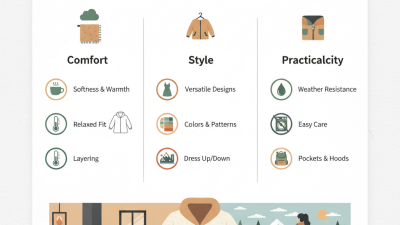
For the 10 Best Sherpa Jackets for Men in 2026, material quality deserves close attention. Sherpa fleece should feel dense, even, and soft against the neck. Check the fabric weight, not only its appearance. A heavier pile often traps more air, but it can become bulky under a shell. Fit matters. Leave room for a thin sweater without creating loose gaps at the cuffs or hem. A reliable jacket should use smooth zippers, reinforced seams, and adjustable cuffs. These details reduce heat loss during cold commutes and windy walks.

Fiber content also deserves scrutiny. Textile Exchange’s Materials Market Report 2024 states that polyester made up about 59% of global fiber production in 2023. The report also highlights the growing use of recycled polyester. Look for clear fiber percentages and credible certification information, rather than vague “eco” claims.

Practical testing helps. Bend your arms, sit down, and check whether the shoulders pull. I would not assume the thickest jacket is the warmest. Dense fleece can compress over time, especially after rough washing. Follow the care label carefully.

The European Environment Agency reported that EU textile consumption reached approximately 19 kilograms per person in 2022. That figure makes durability more than a comfort issue. Choose secure pocket stitching, colorfast fabric, and a lining that resists pilling.

A water-resistant outer surface helps with light drizzle, but sherpa alone is not reliable in sustained rain. For daily use, balance warmth, mobility, repairability, and easy care. Performance claims need evidence. Fancy wording is not evidence.

The 10 Best Sherpa Jackets for Men in 2026

The 10 Best Sherpa Jackets for Men in 2026

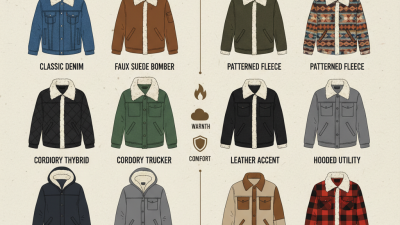
Choosing the best sherpa jacket depends on warmth, weather protection, and daily comfort. My 2026 shortlist includes ten useful styles: heavyweight sherpa-lined truckers, full-zip fleece jackets, hooded jackets, workwear layers, quilted sherpa coats, overshirts, hybrid insulated jackets, water-resistant shells, lightweight travel jackets, and shearling-look designs. Sherpa usually uses a soft synthetic pile, often polyester. Its warmth depends on fiber loft, lining, and wind resistance.

A good jacket should feel warm without restricting your shoulders. Check the cuffs, zipper, pocket depth, and collar height. A dense outer shell helps in light wind, while a smooth lining makes layering easier. For cold commutes, choose a longer cut with insulated sleeves. For hiking, select a lighter design that dries quickly. I prefer secure chest pockets, but pocket placement remains personal. My ranking could change after a wet winter. No jacket performs perfectly everywhere.

Tips: Wear a thin moisture-wicking shirt underneath. Avoid thick cotton as your first layer. Test the jacket while reaching forward. If the hem rises, the cut may be too short. Check the care label before washing, because high heat can flatten sherpa fibers. A soft brush can restore some texture, though results are not always even. Choose neutral colors for frequent wear, but visible contrast can improve safety during low-light walks.

10 Best Sherpa Jackets for Men in 2026
Rank Jacket Profile Best For Sherpa Construction Outer Material Warmth Weather Protection Closure & Cuffs Pockets Approx. Weight Typical Price Range Overall Rating
1 Heavyweight Sherpa-Lined Trucker Cold-weather everyday wear Full body and sleeve lining Dense cotton or cotton-blend canvas High Light rain and wind resistance Front buttons; adjustable waist cuffs 4 exterior, 1 interior 1.2–1.6 kg $90–$180 4.8/5
2 Water-Resistant Sherpa Work Jacket Outdoor work and weekend projects Quilted sherpa body with smooth sleeve lining Waxed or coated cotton canvas High Good wind and light-rain protection Heavy-duty zipper; snap cuffs 5 exterior, 2 interior 1.3–1.8 kg $110–$220 4.7/5
3 Recycled-Fleece Sherpa Jacket Lightweight warmth and travel High-pile recycled fleece throughout the body Recycled polyester fleece shell Medium to high Dries quickly; limited rain resistance Full-length zipper; elastic cuffs 2 zippered hand pockets 0.6–0.9 kg $70–$160 4.6/5
4 Sherpa-Lined Corduroy Jacket Casual city outfits Soft sherpa body with lightly lined sleeves Cotton corduroy Medium Low rain resistance; moderate wind coverage Button front; button cuffs 4 exterior pockets 0.9–1.3 kg $80–$170 4.5/5
5 Insulated Sherpa Coach Jacket Layering in cool, changeable weather Sherpa collar with lightweight insulated lining Nylon or polyester ripstop Medium Good wind protection; light water resistance Snap-button front; elastic hem and cuffs 2 hand pockets, 1 inner pocket 0.7–1.0 kg $75–$150 4.4/5
6 Stretch Sherpa Softshell Jacket Active commuting and hiking Brushed sherpa interior with fleece-lined collar Stretch polyester softshell Medium Very good wind resistance; light rain protection Water-resistant zipper; elastic binding 2 zippered hand pockets, 1 chest pocket 0.6–0.9 kg $90–$190 4.4/5
7 Reversible Sherpa Jacket Two-look versatility Sherpa side reverses to a smooth woven side Polyester fleece and woven polyester Medium Basic wind protection; limited rain resistance Reversible zipper; elastic cuffs 2 pockets on each side 0.7–1.1 kg $80–$170 4.3/5
8 Lightweight Sherpa Overshirt Indoor-to-outdoor layering Thin sherpa lining in the body and collar Cotton flannel or brushed twill Low to medium Minimal weather protection Button front; button cuffs 2 chest pockets, 2 side pockets 0.6–0.9 kg $55–$120 4.2/5
9 Longline Sherpa Utility Jacket Extra coverage in cold urban conditions Extended sherpa lining through the torso Poly-cotton utility fabric High Moderate wind protection; light rain resistance Two-way zipper; adjustable cuffs 6 exterior, 2 interior 1.1–1.5 kg $100–$210 4.2/5
10 Packable Sherpa-Lined Jacket Travel and mild winter conditions Low-bulk sherpa lining with compact construction Lightweight nylon or recycled polyester Low to medium Good wind protection; water-resistant finish Full-length zipper; elastic cuffs and hem 2 zippered hand pockets 0.5–0.8 kg $65–$145 4.1/5
Ratings and price ranges are editorial comparison estimates based on common men’s sherpa-jacket construction, materials, warmth, storage, and weather-protection features. Actual fit, weight, and pricing may vary by size and season.

How to Compare Warmth, Fit, Materials, and Everyday Performance

The 10 best sherpa jackets for men in 2026 should be compared by performance, not appearance alone. Warmth starts with pile density, lining, and wind resistance. Thick sherpa feels warm indoors, but open fibers can lose heat quickly in strong wind. A smooth, tightly woven outer shell helps. Check the collar, cuffs, and hem, because heat often escapes there. A jacket should allow a thin base layer without pulling across the shoulders. Too much space can create drafts.

Material choice also affects daily comfort. Textile Exchange’s Materials Market Report 2024 estimates that polyester represented about 59% of global fiber production in 2023. It also reports that recycled polyester made up roughly 12% of polyester output. These figures do not prove a jacket is better, but they clarify the material landscape. Look for clear fiber percentages, secure stitching, and lining that does not cling to knitwear. Natural fibers may feel pleasant, while synthetic piles often dry faster after light rain.

Everyday performance needs simple testing. Wear the jacket while driving, climbing stairs, and carrying a small backpack. Sleeves should cover the wrist without blocking hand movement. Count the pockets, but inspect their placement. Deep pockets are useful; poorly placed zippers become annoying. My own buying mistake would be trusting thickness too quickly. A bulky jacket can still feel cold through its shell. The Outdoor Industry Association’s 2024 participation report recorded 175.8 million U.S. outdoor participants in 2023, showing why comfort across commuting and recreation matters. Weather changes. Fit should not punish movement.

How to Care for a Sherpa Jacket and Extend Its Lifespan

A sherpa jacket can stay soft and warm for years with careful handling. Before cleaning, check the care label and inspect the seams, cuffs, and zipper. Small damage often becomes larger during washing. Empty every pocket, close all fasteners, and turn the jacket inside out. This protects the outer fabric and reduces surface rubbing.

Use cold water and a mild detergent without bleach or harsh softeners. A gentle machine cycle works for many jackets, but hand washing is safer for delicate linings. Avoid overloading the drum. Sherpa fibers need room to move. After washing, press out excess water instead of twisting the jacket. Lay it flat on a clean towel or hang it on a broad, sturdy hanger. Never place it directly on a radiator or use high heat. Heat can flatten the pile, shrink panels, or weaken synthetic fibers.

When dry, loosen clumped fibers with clean fingers or a soft-bristled brush. Brush lightly in one direction. Do not pull at matted areas. Air the jacket after wearing it, especially around the collar and underarms, and store it in a cool, dry closet. A breathable garment bag helps prevent dust without trapping moisture. I once dried a fleece jacket too quickly, and its texture never fully recovered. That mistake still matters: convenience is not always care. Check the jacket each season, and repair loose stitching before the cold weather returns.

Sherpa Jacket Care Guide

Most sherpa jackets benefit from cool washing, gentle handling, and air drying. Washing at 30°C helps reduce fiber stress and color fading, while regular brushing keeps the pile soft and prevents matting.