

Blog
What Are the Benefits of Recycled Polyester Jackets for 2026?
As the demand for sustainable fashion continues to rise, the Recycled Polyester Jacket emerges as a key player in the market. Industry expert Dr. Jane Thompson states, "Recycled jackets not only reduce waste but also offer exceptional durability." This highlights the dual benefit of these innovative jackets.
In 2026, many consumers prioritize eco-friendly options. Each Recycled Polyester Jacket is made from plastic bottles, significantly minimizing landfill contributions. These jackets also provide warmth and style, appealing to a broad audience. However, not all brands deliver the same quality. Many consumers may find it difficult to identify truly sustainable options among marketing jargon.
While these jackets represent progress, the industry still has room for improvement. Issues like sourcing and production methods could be more transparent. Understanding the true impact of your choice is crucial for informed purchasing. Thus, choosing a Recycled Polyester Jacket is not just a fashion statement; it's an ethical decision with lasting implications.

Benefits of Recycled Polyester Jackets for Environment in 2026
In 2026, recycled polyester jackets offer significant environmental benefits. The production of these jackets uses about 50% less energy compared to virgin polyester. This translates to reduced carbon emissions, which are crucial as the fashion industry contributes 10% of global emissions. Each recycled jacket saves nearly 5.2 pounds of carbon dioxide from entering the atmosphere.
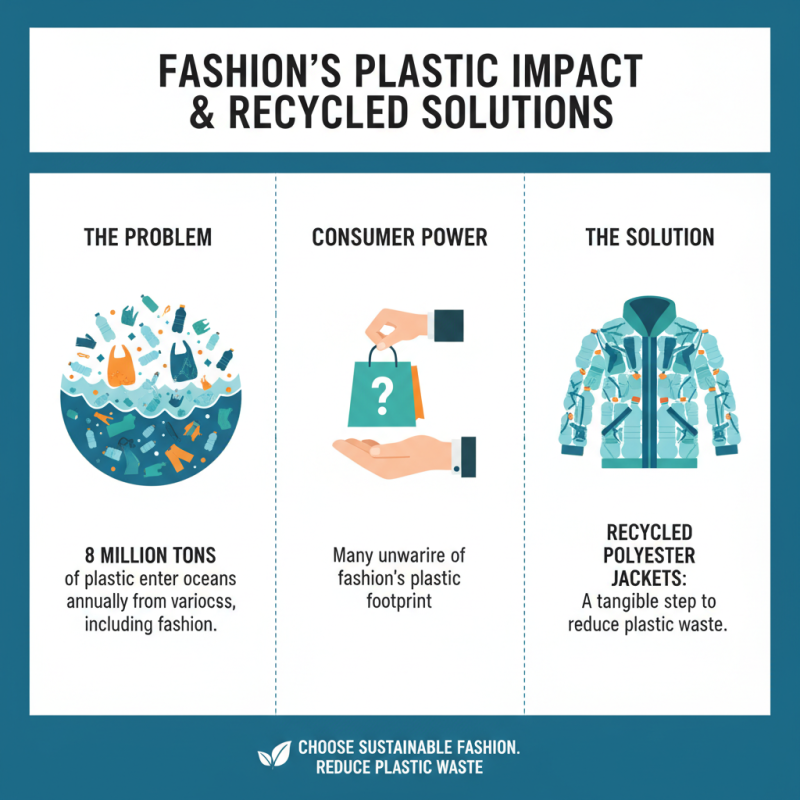
Additionally, utilizing recycled polyester helps divert plastic waste from landfills and oceans. Reports show that over 8 million tons of plastic enter oceans annually. By using recycled materials, the industry can lessen this impact. A single jacket can recycle up to 25 plastic bottles, bringing a positive change. However, challenges remain. Not all recycled polyester is created equal. Some processes involve chemicals, raising concerns about sustainability.
Moreover, consumer awareness is still developing. Many are unaware of the benefits of recycled polyester. Education is needed to see more significant changes. The use of recycled materials is a step forward, but continual improvement is essential in sustainable practices. The journey is ongoing, and the collective effort is necessary for a greener future.
What Are the Benefits of Recycled Polyester Jackets for 2026?
| Benefit | Description | Environmental Impact | Social Impact |
|---|---|---|---|
| Reduced Waste | Using recycled materials keeps plastic waste out of landfills and oceans. | Decreased pollution and conservation of natural resources. | Encourages sustainable practices in the fashion industry. |
| Energy Savings | Recycling polyester consumes less energy than producing new polyester from petroleum. | Lower carbon footprint during production. | Creates potential for green jobs in recycling industries. |
| Durability | Recycled polyester jackets offer durability similar to virgin polyester jackets. | Longer lifespan reduces the frequency of replacements. | Supports ethical labor practices in manufacturing. |
| Water Conservation | Recycled polyester production uses significantly less water than virgin polyester. | Helps in conserving freshwater resources. | Empowers communities with sustainable water practices. |
| Positive Brand Image | Brands that use recycled materials are viewed more favorably by consumers. | Encourages a shift towards sustainable consumer behavior. | Fosters community support for environmental initiatives. |
Related Posts
-
2026 Best Recycled Polyester Jacket Recommendations for Eco Friendly Fashion?
-
2026 How to Choose the Perfect Interlock Jacket for Your Wardrobe?
-

Top 10 Tips for Choosing the Perfect Fleece and Sherpa Jacket?
-

How to Choose the Perfect Full Print Jacket for Your Style?
-

10 Essential Tips for Choosing the Perfect Jacket Sherpa Men
-

What is the Cinch Aztec Jacket and Why is it So Popular?