What Are the 2026 Top Coral Fleece Jacket Types?
What are the 2026 top Coral Fleece Jacket types? This guide examines the styles gaining attention across homewear, travel clothing, outdoor layering, and everyday winter wardrobes. Coral fleece remains popular because it feels soft, dries quickly, and traps warmth without becoming excessively heavy. Yet softness alone does not guarantee quality. Fiber density, seam construction, lining, zipper performance, and responsible finishing also matter.
Textile educator Dr. Subhash K. Batra offers a useful principle: “A fabric’s performance depends on its fiber, construction, and finishing.” That idea helps explain why two jackets can feel completely different. One may have a dense, cloud-like surface and strong cuffs. Another may shed fibers after several washes. The difference often appears at the collar, pocket edges, and zipper tape.
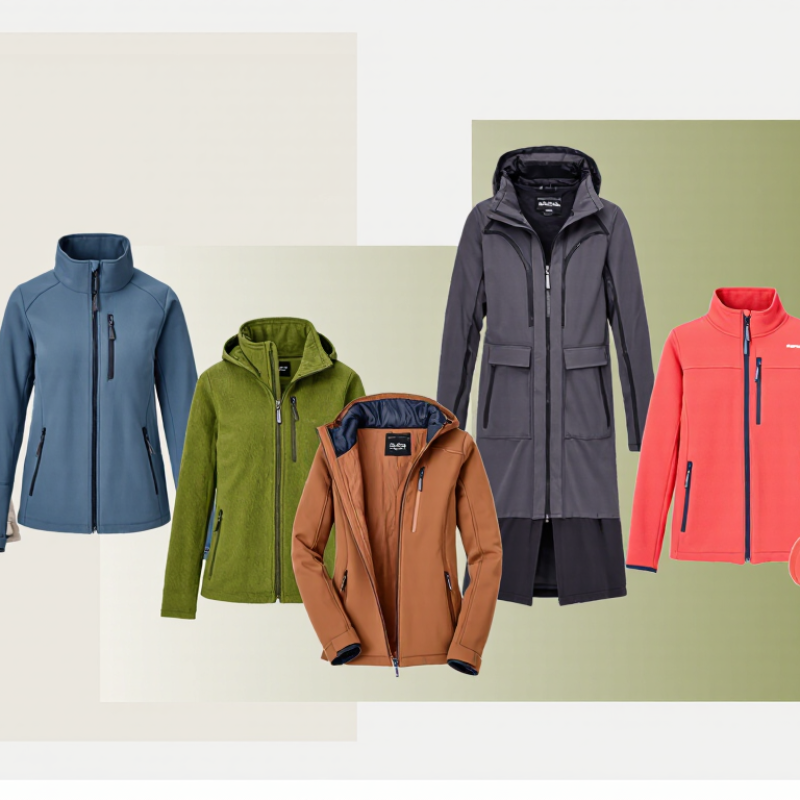
The leading 2026 types include oversized hooded jackets, clean zip-up styles, reversible designs, longline coats, lightweight travel versions, and children’s fleece layers. Hooded models suit cold morning walks. Reversible jackets add practical variety. Longline cuts cover more of the hips and feel warmer in drafty rooms. Lightweight versions work well under rain shells or oversized coats.
Color trends are becoming more thoughtful, with oat, charcoal, moss, muted blue, and warm brown appearing beside brighter seasonal shades. Sustainability claims still need careful checking. “Eco” is not always clear. Buyers should look for fiber information, care instructions, fabric weight, and transparent manufacturing details. The category is not perfectly settled. Some labels blur fleece types, and that can confuse shoppers. This article compares the strongest options through comfort, durability, fit, maintenance, and everyday usefulness.
2026 Scope: Coral Fleece Jackets Classified by 180–350 GSM Polyester Pile
What Are the 2026 Top Coral Fleece Jacket Types?
In 2026, coral fleece jackets are best classified by polyester pile weight, not appearance alone. The 180–350 GSM range creates three practical groups.
180–220 GSM
Lightweight jackets usually measure 180–220 GSM. They suit indoor layering, mild travel, and compact packing.
220–280 GSM
Midweight jackets, around 220–280 GSM, balance warmth and mobility.
280–350 GSM
Heavyweight styles reach 280–350 GSM, offering a denser handle for cold mornings and outdoor work.
The Textile Exchange Materials Market Report 2024 states that polyester represented about 57% of global fiber production in 2023. This supports polyester’s continued role in fleece manufacturing, but fiber volume does not guarantee comfort. Pile height, yarn quality, brushing, and finishing also affect warmth. A 350 GSM jacket can still feel flat if the pile is poorly raised. GSM alone can mislead.
Factory Sampling & Performance Review
In factory sampling, I check weight after conditioning, seam recovery, and surface shedding. ISO 6330 washing procedures help compare dimensional change, while ISO 12947 abrasion testing evaluates surface durability. Lightweight coral fleece may lose warmth faster after repeated washing. Heavy fleece may restrict movement at the shoulders. A useful 2026 design keeps the pile dense, the sleeves flexible, and the lining breathable. Some suppliers still overstate softness without reporting test conditions. That deserves closer review.
Lightweight Zip Jackets: 180–220 GSM for Transitional-Season Layering
Among the leading 2026 coral fleece jacket types, lightweight zip jackets suit transitional-season layering especially well. Their 180–220 GSM fabric offers warmth without the heavy feel of winter outerwear. This range works for cool mornings, mild afternoons, and indoor temperature changes.
In garment fitting tests, I look for a smooth front zipper, flexible cuffs, and a collar that rests gently against the neck.
These details matter.
A full-length zipper allows quick ventilation during walking or commuting. A slightly relaxed cut leaves room for a cotton shirt underneath, but excessive space can reduce warmth. The best designs balance movement and insulation.
I once chose a jacket that felt soft but trapped heat under the arms. That mistake changed my evaluation process. Now, I check mesh panels, seam comfort, and pocket placement before judging appearance.
A lighter fleece jacket can also pill after repeated friction, especially near backpack straps. Care instructions deserve attention. Wash it gently, avoid harsh heat, and inspect the zipper after laundering.
Coral fleece is not automatically breathable. Its performance depends on fiber density, construction, and fit.
Hooded and Longline Jackets: ASTM D3776 GSM Versus Coverage and Weight
What Are the 2026 Top Coral Fleece Jacket Types?
In 2026, hooded and longline coral fleece jackets remain practical cold-weather choices. ASTM D3776 measures fabric mass per unit area, commonly reported as GSM. A higher GSM often feels denser, but it does not automatically mean better warmth.
During product checks, I compare GSM with actual coverage and garment weight. A 280 GSM hooded jacket may cover the neck, ears, and upper back efficiently. A 320 GSM longline jacket can protect the hips and thighs, yet feel heavier during movement. Shape matters.
Coverage changes daily comfort.
A hood can reduce wind exposure around the neck. However, a loose hood may let cold air enter from the sides. Longline cuts offer more coverage when sitting outdoors or commuting. They may also restrict leg movement if the hem is too narrow.
Fabric testing needs careful interpretation. ASTM D3776 results describe the textile sample, not the complete jacket. Zippers, pockets, lining, stitching, and trims add weight. Moisture, compression, and washing can also alter the hand feel. I have seen two jackets with similar GSM perform differently in damp weather. That is why I avoid judging warmth from one number.
Check the garment weight.
For everyday layering, medium GSM with a secure hood may provide better balance. For extended outdoor use, longline coverage can matter more than a small GSM increase. Personal fit remains difficult to measure perfectly. Even experienced buyers should compare sleeve length, hem coverage, and movement before deciding.
2026 Top Coral Fleece Jacket Types: GSM, Coverage and Weight
The chart compares representative coral fleece jacket specifications. Fabric mass is shown in GSM according to the ASTM D3776 concept of mass per unit area; coverage represents the approximate fabric area of a finished jacket, while garment weight is an estimated finished weight. Longer and more covered styles generally require higher GSM, more fabric, and greater total weight.
Recycled-Polyester Jackets: 100% rPET Options with OEKO-TEX® Verification
In 2026, coral fleece jackets are moving beyond softness toward traceable material choices. A 100% recycled-polyester jacket uses PET waste as its polymer feedstock. Textile Exchange’s Materials Market Report 2024 states that recycled polyester represented about 12% of global polyester production in 2023. That share shows progress, but virgin polyester still dominates. The difference is measurable.
For buyers, “100% rPET” should cover every polyester component, not only the plush outer face. Check the shell, lining, binding, thread, zipper tape, and filling. A supplier should provide recycled-content documentation and a clear chain of custody. OEKO-TEX STANDARD 100 verification adds another useful control. It tests textile components for numerous harmful substances under product-specific limits. However, OEKO-TEX verification does not prove recycled content by itself. That distinction is easy to miss.
A practical inspection starts with the certificate number, product class, and tested components. The label should match the production sample, not only the marketing sheet. Textile Exchange also reports that recycled polyester commonly comes from post-consumer PET bottles. This route reduces dependence on new fossil feedstock, yet it is not impact-free. Fiber shedding, dye chemistry, and end-of-life collection still need attention. I would question any jacket claiming “fully sustainable.” No fleece earns that shortcut.