2026 Top Sherpa Zip Jacket Trends for Global Buyers?
The Sherpa Zip Jacket has become a key outerwear piece for fashion-forward global buyers. As the industry evolves, trends shift and consumer preferences change. Experts like Mark Thompson, a leading figure in outerwear design, emphasize the importance of adaptability. He states, “The Sherpa Zip Jacket blends comfort with style, making it versatile for any occasion.”
In 2026, buyers can expect innovative materials and unique designs. Sustainability will play a significant role in production. Designers are exploring eco-friendly fabrics that maintain the Sherpa's signature warmth. Yet, some products may not fully meet quality expectations.
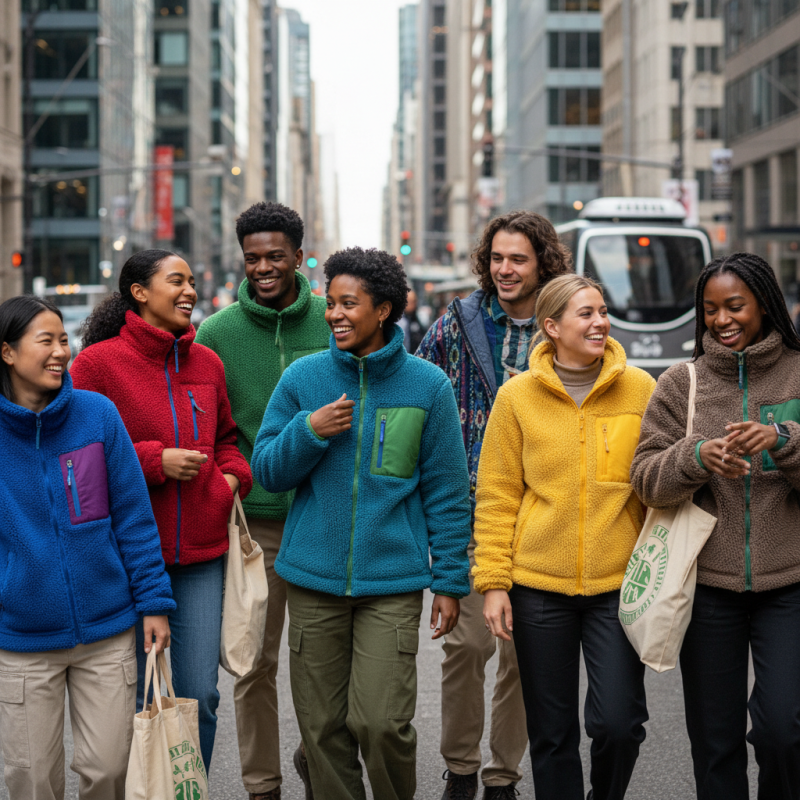
Current trends highlight vibrant colors and functional features like pockets. The market has a mix of high-end brands and affordable options. This diversity can be overwhelming for buyers seeking reliable choices. Ultimately, the Sherpa Zip Jacket remains a staple in an ever-changing fashion landscape.
2026 Sherpa Zip Jacket Overview: Key Features and Benefits
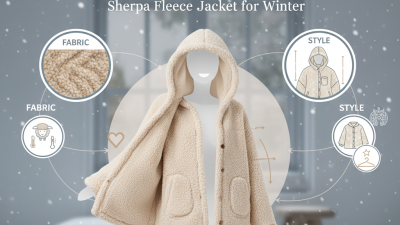
The Sherpa Zip Jacket is evolving in 2026, attracting global buyers with its unique features. One key aspect is its insulation. Modern fabrics enhance warmth without bulk. This means wearers stay cozy in cold conditions. The jackets often showcase dynamic zippers that allow for custom ventilation. Users appreciate varying styles and patterns, appealing to a diverse audience.
Comfort is another significant benefit of Sherpa Zip Jackets. The soft texture feels great against the skin. Additionally, many designs offer functional pockets. These can keep essentials secure while on the go. However, some buyers may find that not every style fits their body type well. Fit inconsistencies can lead to dissatisfaction, prompting designers to rethink sizing.
As buyers seek sustainability, eco-friendly materials are gaining traction. This trend is encouraging manufacturers to innovate responsibly. Although progress is being made, some synthetic materials still linger. Customers often reflect on the impact of their choices. Aware of material sourcing can influence purchasing decisions. The Sherpa Zip Jacket reflects not just personal style, but also a commitment to the environment.
Current Material Innovations in Sherpa Zip Jackets for 2026
As we look toward 2026, Sherpa zip jackets are making waves with innovative materials. Designers are exploring eco-friendly fabrics that promote sustainability. These materials often blend recycled polyester with organic cotton. This combination not only reduces waste but also enhances comfort and warmth.
Another trend is the incorporation of advanced insulation technology. Manufacturers are experimenting with lightweight thermal layers. These materials provide warmth without adding bulk. Consumers appreciate outdoor gear that balances style with functionality.
However, there are challenges in these advancements. Some fabrics may not be as durable as traditional options. Consumers might find themselves replacing jackets sooner than expected. Exploring the trade-offs between sustainability and longevity will be crucial. In the rapidly evolving fashion landscape, keeping an eye on these developments will help buyers make informed choices.
Color Trends for Sherpa Zip Jackets in 2026: What to Expect
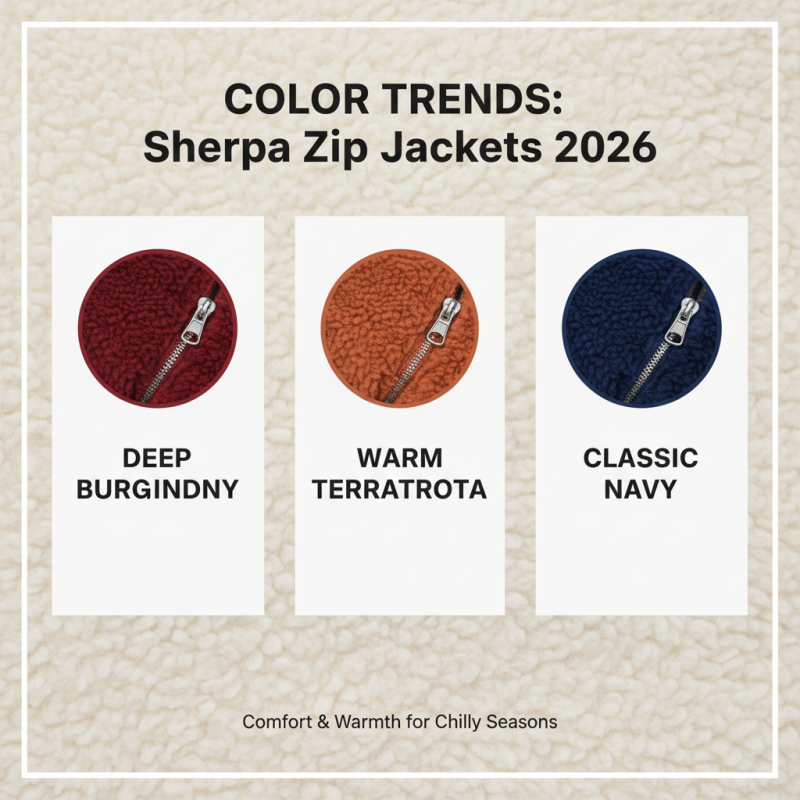
The Sherpa zip jacket is gaining popularity for 2026. Color trends are shifting towards vibrant shades. Expect to see deep burgundy, warm terracotta, and classic navy. These colors evoke a sense of comfort and warmth, perfect for chilly seasons.
Tip: When selecting a Sherpa zip jacket, think about how the color complements your current wardrobe. A versatile jacket can elevate various outfits. Consider lighter colors for a fresh feel and darker tones for sophistication.
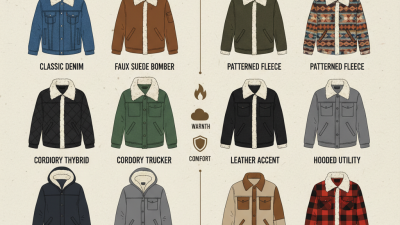
Another emerging trend is the combination of textures. Look for jackets that mix Sherpa with other fabrics, like denim or leather. This adds depth and interest to your style.
Tip: Don’t shy away from experimenting. Layering different materials can create a unique look. Reflect on how these combinations express your personality and style.
Sustainability Practices in Sherpa Zip Jacket Production for 2026
Sustainability is becoming a critical focus in the production of Sherpa zip jackets for 2026. Many manufacturers are now looking to use eco-friendly materials. Organic cotton or recycled polyester is often chosen for this purpose. These materials ensure that jackets are not only warm but also gentle on the planet.
However, the transition to sustainable practices isn't always smooth. Some manufacturers struggle with sourcing these materials consistently. Additionally, the costs of eco-friendly production can be higher. This often leads to the question: is it worth the investment? Global buyers increasingly demand transparency. They want to know how products are made and their environmental impact.
Moreover, companies must balance style with sustainability. Often, trendy designs require the use of synthetic materials. This can conflict with eco-friendly objectives. The challenge lies in merging fashion with responsible practices. As the conversation around sustainability continues, brands face a pressing need for innovation. New techniques and sustainable materials should be top priorities for the industry as it evolves.
2026 Sherpa Zip Jacket Sustainability Practices Trend
Market Demand and Consumer Preferences for Sherpa Zip Jackets in 2026
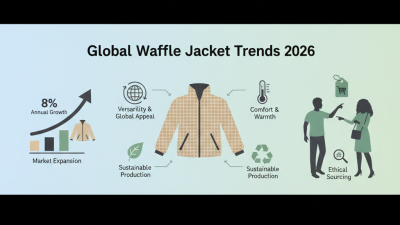
As we approach 2026, the demand for Sherpa zip jackets continues to grow. Recent industry reports indicate that the global outerwear market is poised to reach over $16 billion by 2026, with Sherpa jackets capturing a significant share. This trend is driven by a shift in consumer preferences towards sustainable and cozy attire, perfect for layering in colder climates. The focus on comfort is paramount, and Sherpa fabrics provide the warmth and softness that many buyers seek.
Consumers are increasingly interested in the ethical implications of their purchases. Approximately 72% of surveyed buyers reported willingness to pay extra for clothing produced using sustainable materials. This aligns with the rise in eco-conscious shopping behaviors. Many buyers express a desire for versatile styles, suitable for both casual outings and home wear. The popularity of these jackets can also be attributed to social media influence, where they are often featured in lifestyle content.
However, the market faces challenges. Supply chain issues and fluctuating material costs may impact production timelines and pricing strategies. Also, some consumers have expressed dissatisfaction with the durability of certain materials. Balancing cost, quality, and ethical production remains a critical area for growth. Brands must reflect on these consumer insights and adjust their practices accordingly to remain competitive in this evolving landscape.