page_banner

Blog

2026 Top Polar Fleece Jacket Types for Global Buyers

Global buyers are entering 2026 with more demanding expectations for warmth, comfort, durability, and responsible sourcing. A Polar Fleece Jacket is no longer judged by softness alone. Fabric density, fiber quality, pocket design, seam construction, fit, and after-wash performance now influence purchasing decisions.

Yvon Chouinard, Patagonia founder and a respected outdoor-industry authority, once said, “The most environmentally friendly product is the one you already own.” Although this statement addresses product responsibility broadly, it offers a useful standard for fleece buyers. A jacket that pills quickly, loses shape, or fails after one season is rarely a responsible choice. Longer service matters.

This guide examines the leading Polar Fleece Jacket types expected to attract global buyers in 2026. It considers lightweight microfleece, midweight fleece, heavyweight fleece, grid fleece, sherpa fleece, recycled polyester fleece, and hybrid insulated designs. Each type serves different climates, retail channels, and customer needs. Some work well for layering. Others suit cold warehouses, outdoor uniforms, travel collections, or everyday winter wear.

Real purchasing decisions are less tidy than product charts suggest. A thicker jacket may feel warmer but can restrict movement. Recycled fibers may improve material claims, yet performance still requires testing. Even trusted factories can produce inconsistent batches. That deserves attention.

The sections ahead compare warmth, weight, breathability, durability, styling, customization potential, and care requirements. They also highlight practical questions about minimum order quantities, color consistency, quality control, and regional demand. Buyers should verify supplier claims through samples and independent inspection. Trends can guide a decision, but evidence should close the deal.
2026 Top Polar Fleece Jacket Types for Global Buyers

Polar Fleece Jackets: Definition, Structure, and Core Features

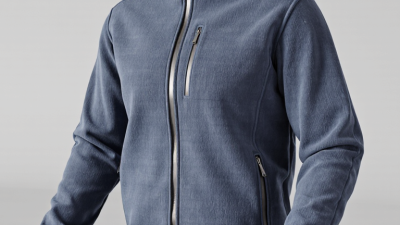
Polar fleece jackets are soft, insulating outer layers made mainly from knitted polyester fabric. During production, the fabric is brushed to raise fine fibers on one or both sides. These fibers trap air and create warmth without the weight of wool. The structure usually includes a smooth base, a raised fleece surface, reinforced seams, a front closure, and elastic cuffs. Some designs add a high collar or adjustable hem for better protection.

Core performance depends on fiber density, fabric weight, and construction quality. A dense fleece can retain heat, while a lighter version works well for layering. However, heavier fabric is not automatically warmer. Poor brushing or weak stitching may reduce durability after repeated washing. In product evaluations, I check surface shedding, zipper movement, seam strength, and recovery at the cuffs. Breathability also matters, especially in active conditions. Fleece dries quickly, but it is not naturally windproof or waterproof.

Tips: Global buyers should compare fabric weight, anti-pilling treatment, size measurements, and care instructions. Ask for wash-test results and colorfastness records. Check whether the jacket suits mild, cold, or windy climates. A practical sample review often reveals details that a specification sheet misses.

2026 Top Polar Fleece Jacket Types for Global Buyers

The chart compares representative fabric weights commonly used in polar fleece jacket construction. Microfleece is lightweight and packable, grid fleece improves breathability, midweight fleece offers balanced warmth, and heavyweight fleece provides the greatest insulation. Actual weight can vary by fiber blend, knitting structure, finishing, and garment design.

How Polar Fleece Jacket Types Are Classified by Weight and Design

Polar fleece jackets are commonly classified by fabric weight and design, but the two factors should be assessed together. Lightweight fleece, around 100–180 gsm, suits mild climates, travel, and indoor layering. It dries quickly and packs easily.

Midweight fleece, about 180–280 gsm, offers balanced warmth for daily outdoor use. Heavyweight fleece, above 280 gsm, feels warmer and more structured, though it can become bulky under a shell.

Weight is only a starting point. A dense 220 gsm fabric may feel warmer than a loose 280 gsm fabric. Buyers should check fabric density, loft, stretch, and surface finish.

Anti-pilling treatment can improve appearance after repeated washing, but performance depends on testing and care. A fleece jacket should retain shape after several wash cycles.

This is where some product descriptions feel too optimistic.

Design classification includes full-zip, half-zip, hooded, vest, and jacket styles. Full-zip designs support fast temperature control, while half-zips reduce front bulk. Hooded versions protect the neck and head during short outdoor exposure.

High collars, elastic cuffs, adjustable hems, and secure pockets add practical value. Grid fleece improves breathability during active movement. Smooth-faced fleece works better beneath a rain shell.

A loose cut may help layering, but excessive space can reduce warmth. The right choice depends on climate, activity, shipping market, and customer expectations. Test samples in real conditions, not only under showroom lights.

Top Polar Fleece Jacket Types for Global Buyer Requirements

2026 Top Polar Fleece Jacket Types for Global Buyers

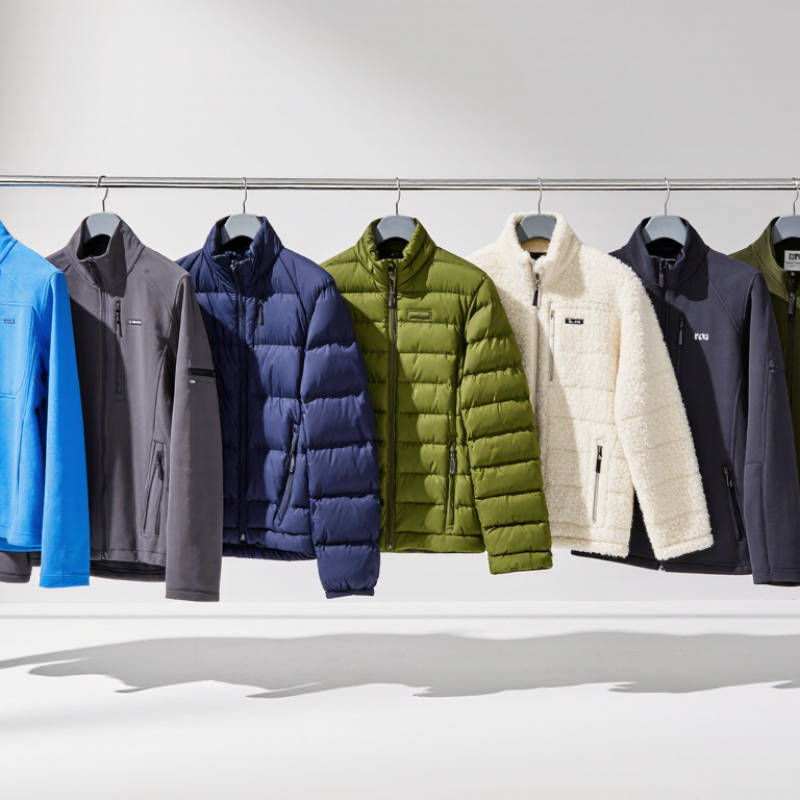
Global buyers need fleece jackets that match climate, movement, and purchasing volume. A lightweight 100-weight fleece suits mild regions and indoor layering. Midweight 200-weight fleece offers better warmth for daily outdoor work. Heavyweight fleece supports colder conditions, but it can feel bulky during active use. The wrong weight often creates returns, not comfort.

Full-zip jackets remain practical for uniforms, travel, and changing temperatures. Half-zip styles reduce bulk around the front and work well for active teams. Fleece-lined softshell jackets add wind resistance for exposed worksites. Recycled polyester options may support sustainability targets, but buyers should verify fiber content and supplier documentation. Claims require evidence.

Experienced purchasing teams check more than appearance. They review fabric density, pilling resistance, seam strength, zipper performance, and shrinkage after washing. Test samples across different sizes. A sleeve that fits one model may restrict another worker. Request colorfastness and dimensional stability reports before bulk production. Confirm labeling, packaging, and chemical compliance for each destination market.

There is no perfect fleece type. A thick jacket may impress during inspection but disappoint during long shifts. Lightweight fabric may perform well, yet fail in severe wind. We have seen sampling decisions change after wear testing. That is useful. Buyer feedback should adjust the specification before production, not after delivery.

Comparing Warmth, Breathability, Durability, and Weather Protection

2026 Top Polar Fleece Jacket Types for Global Buyers

When comparing polar fleece jackets, warmth depends on weight, density, and construction. Lightweight microfleece dries quickly and suits mild climates or active travel. Midweight fleece offers better insulation for daily wear, especially around 5–15°C. High-pile fleece feels warmer because its longer fibers trap more air, but it can feel bulky under a shell.

Breathability changes with the fabric structure. Grid fleece releases moisture through open channels during climbing or cycling. Dense fleece blocks airflow better, yet may feel damp during fast movement. A practical test is simple: wear the jacket for twenty minutes while walking uphill. If the inner layer becomes wet, the garment may be too warm or poorly ventilated. This test is not perfect, though, because humidity and body temperature vary widely.

Durability comes from fiber quality, seam strength, and resistance to pilling. Reinforced elbows and smooth outer faces usually survive repeated backpack friction better. Fleece alone offers limited weather protection. Wind-resistant panels reduce chill, while a laminated outer layer handles light rain more effectively. For heavy rain, a separate waterproof shell remains necessary. I once chose a thick jacket for cold, windy work and regretted it indoors; warmth without ventilation quickly became uncomfortable. Buyers should check fabric weight, drying time, zipper quality, and care instructions before ordering large quantities.

Key Sourcing Factors for International Buyers and Retailers

2026 Top Polar Fleece Jacket Types for Global Buyers

International buyers should match fleece construction with the target climate, activity, and retail price.

Lightweight 100–180 GSM fleece suits mild weather and layering. Midweight 200–280 GSM options offer broader seasonal use. Heavy fleece feels warmer, but it increases shipping volume and may dry slowly.

Buyers should inspect fabric density, stretch recovery, seam strength, and surface softness. A soft sample is not enough.

Anti-pilling performance deserves practical testing.

Rub the fabric repeatedly, wash it, and inspect the collar and cuffs. Check colorfastness after washing, especially for dark shades and bright trims.

Recycled polyester may support sustainability goals, but documentation and fiber composition should be verified independently. Ask for test reports, production records, and clear labeling information.

Supplier claims need evidence.

Fit can decide whether a jacket sells or creates returns.

Request size charts with garment measurements, not only body measurements. Test sleeve length, hem tension, zipper movement, and pocket placement on several sizes.

Confirm carton dimensions, folding methods, minimum order quantities, and realistic lead times. A low unit price may hide weak packaging or costly corrections.

Sampling takes time. That is acceptable. Rushing approval is usually worse.

Buyers should also review care labels and import requirements for each destination. Some details remain easy to miss, particularly when colors, trims, and measurements change late in production.