2025 Guide: How to Choose a Sustainable Jacket for Eco-Friendly Fashion
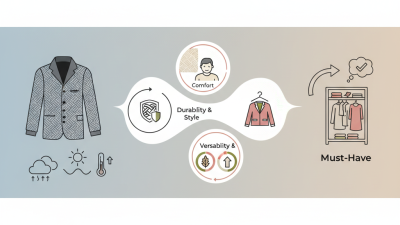
Choosing a sustainable jacket is more crucial than ever. As the fashion industry evolves, environmental concerns take center stage. A sustainable jacket embodies eco-friendly principles while providing style and comfort.
When searching for the perfect jacket, consider materials. Opt for organic fabrics like cotton or recycled fibers. These choices minimize environmental impact. Examine production methods as well. Brands that practice ethical manufacturing often prioritize worker welfare.
Sizing and durability also matter. A well-fitting jacket lasts longer, reducing the need for frequent replacements. Remember, though, that perfection is elusive. Sustainability varies across brands. Reflect on your choices to make informed decisions. Your journey towards a sustainable jacket starts with awareness and thoughtfulness.
Understanding Sustainable Fabrics: Types and Their Environmental Impact
When choosing a sustainable jacket, understanding the fabrics is essential. Each material has its own environmental impact. Organic cotton, for instance, uses less water and fewer chemicals. It feels soft and comfortable. But, the farming practices can still be harmful if not managed well.
Recycled polyester has gained popularity. It's made from plastic waste, which diverts materials from landfills. However, the recycling process can be energy-intensive. Is it really sustainable if it relies on energy? Linen is another option. It's derived from the flax plant. Linen is biodegradable and requires less water. Yet, the production process can be labor-intensive and may not always be fair.
Consider Tencel, a branded fabric from wood pulp. It’s produced in a closed-loop system, minimizing waste. Still, it often depends on tree farming, which raises questions about deforestation. Each choice we make matters. Reflecting on these impacts can guide us toward better decisions in fashion.
Assessing Brand Transparency: Ethical Practices in Fashion Industry
When considering a sustainable jacket, brand transparency is crucial. The fashion industry often lacks clarity on ethical practices. A recent report by Fashion Revolution found that only 40% of brands disclose their supply chain details. This raises questions about labor conditions and environmental impact.
Many brands claim to be sustainable, but what does this mean? Some use eco-friendly fabrics, but sourcing and manufacturing processes may remain opaque. According to a 2021 survey, 78% of consumers want information on a brand’s sustainability practices. However, transparency remains a significant challenge. It's essential to dig deeper beyond marketing claims.
Tips for Assessing Transparency:
- Look for third-party certifications. They can indicate a brand’s commitment to sustainability.
- Research the brand's history. A long-standing commitment to ethical practices often signals reliability.
- Check the production process. Brands sharing detailed information likely hold themselves accountable to better standards.
Understanding these aspects can guide your purchase decisions. Emphasizing brand transparency can foster a more ethical fashion landscape, but it requires effort from consumers and agencies alike.
Evaluating Jacket Design: Functionality Meets Eco-Friendly Aesthetics
When choosing a sustainable jacket, design plays a crucial role. A blend of functionality and eco-friendly aesthetics can elevate your wardrobe while minimizing environmental impact. According to the Global Fashion Agenda’s 2021 report, over 60% of consumers express interest in sustainable fashion. Yet, many struggle to find appealing designs.
Functionality in a jacket means considering versatility and practicality. Look for features like removable liners or adjustable hoods. These elements provide adaptability across seasons. Research indicates that jackets with multifunctional designs tend to be more sustainable. These products reduce the need for multiple items, consequently lowering waste.
Tip: Prioritize jackets made from recycled materials. Fabrics like recycled polyester can significantly reduce carbon emissions.
Eco-friendly aesthetics means color choices and textures that resonate with sustainability values. Earthy tones and natural fibers often reflect a commitment to the planet. However, perfect aesthetic choices are subjective. What looks good to one may not appeal to another. A jacket's beauty should also consider its environmental footprint.
Tip: Consider the life cycle of the jacket. Some materials may not be as sustainable as they seem at first glance. Always check certifications to make informed choices.
2025 Sustainable Jacket Features Comparison
This chart illustrates the importance ratings for various features to consider when selecting a sustainable jacket. The ratings reflect consumer preferences for attributes such as recycled materials and organic cotton, highlighting the trend towards eco-friendly fashion choices.
Exploring Certifications: Recognizing Truly Sustainable Fashion Choices
When choosing a sustainable jacket, understanding certifications is crucial. Various labels indicate environmental responsibility. Look for certifications like GOTS or OEKO-TEX. These labels ensure that materials are organic and free from harmful substances. A jacket with such certifications is a better investment for the environment.
It's important to dive deeper into what these certifications mean. Not all brands emphasize transparency. Some may use certifications as marketing tools. This can lead to greenwashing, where sustainability claims are misleading. Researching the brand's practices is essential. Know the difference between authentic and superficial claims.
Sustainability doesn't always mean perfection. Sometimes, brands may be partially sustainable but still have a long way to go. They may use eco-friendly materials but lack ethical labor practices. Your choice should reflect your values. A truly sustainable jacket is one that aligns with your beliefs, even if it's not perfect.
Maintenance Tips for Sustainable Jackets: Caring for Your Eco-Friendly Investment
Caring for a sustainable jacket is crucial for extending its lifespan. Start by washing it less frequently. Often, a simple air-out will do. When it's time to wash, use cold water and a gentle detergent. This method will help preserve the fabric's integrity.
Drying is just as important. Avoid harsh heat, as it can damage the fibers and shape. Instead, hang it to dry naturally. Sunlight can fade colors, so find a shaded area. Regularly inspect your jacket for small tears or loose buttons. Fix them promptly to prevent further damage.
Storage matters too. Choose a breathable garment bag if you won’t wear it for a while. Avoid plastic covers, as they trap moisture and lead to mildew. Not all jackets are easy to care for, so be aware of specific material instructions. A little extra effort pays off in sustainability, but don’t beat yourself up over mistakes. Everyone has learning curves in the journey to being eco-friendly.